

So in this video, we took a day trip to Big South Fork National Forest and scouted for more camping opportunities for this fall. Now storms tried their best to run me off but I weathered through them.
Must-Have a 4X4 to Overland!!
Nope Not at All
By Patrick Kingcaid w/Mid Tn Outdoors

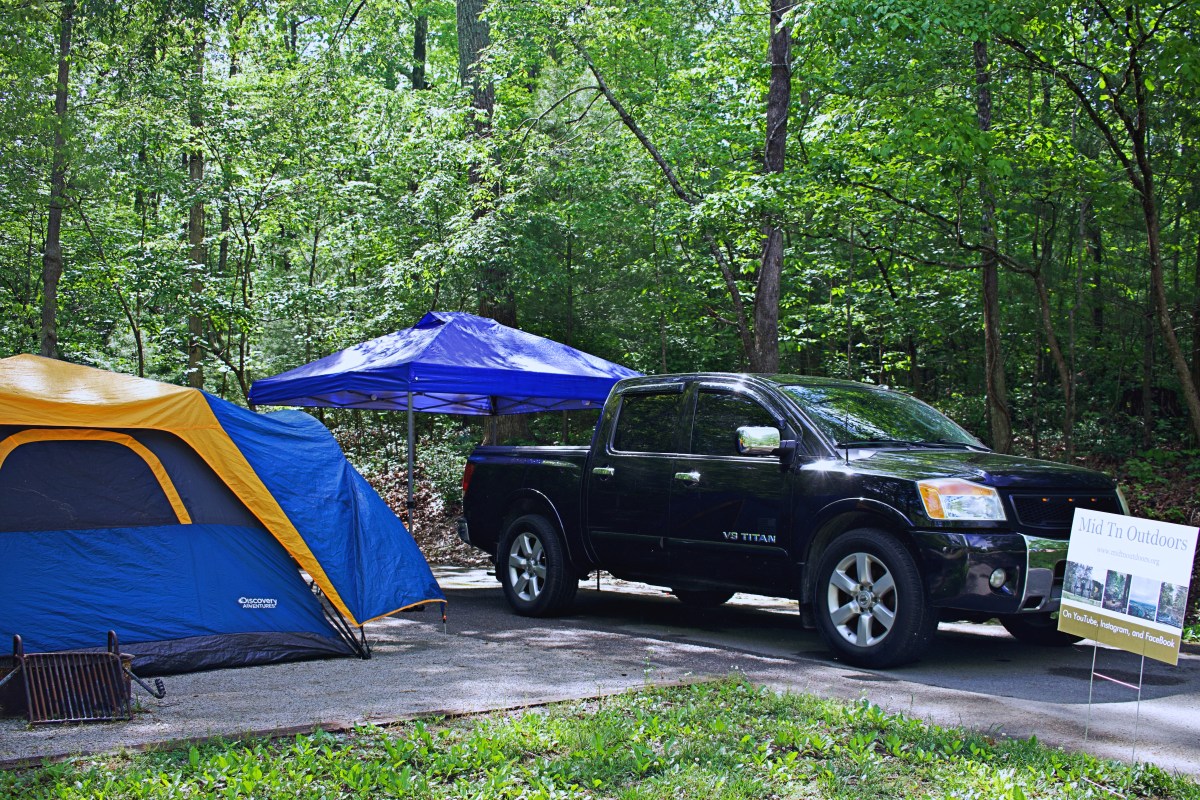
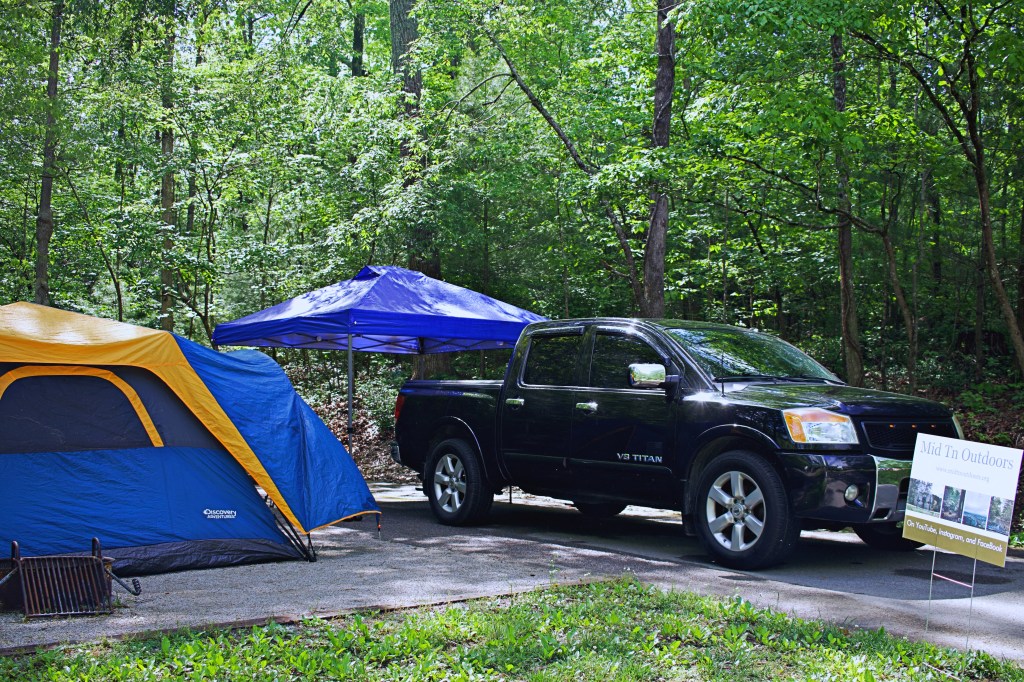
So let’s get this out of the way right now, NO you do not have to have a four-wheel drive to overland. This fall I will show you that you do not have to have a four-wheel drive to overland as I will set out to overland Daniel Boone National Forest in my 2010 Nissan Titan, which is almost as stock as you get. Now the only thing I have done at this point is put a little better tires and some other bits.
Sure you’re not going to be able to hit every side trail on the map, but you can still get to some pretty amazing places. We did a test run mid-summer up to DBNF and it went pretty well. One of the best things to help you determine rather you can go down a trail or not is maps or GPS apps. Side note if you’re running or going to run a GPS app download the maps before you go. Been there and done that. I know a lot of USFS maps and such will tell you the type of roads you have ahead of you. Another side notes some of the roads that they say are dirt roads may have been improved. If you’re in doubt of a road turn around or bypass it. No shame in doing so.
Will highly recommend two things you should have in a kit if you can afford them is, one some way to communicate with the outside world other than a cell. I always have a GMRS radio in my truck (GMRS license required 35 dollars and you’re good) The second way I have is a satellite communicator (mine is a Zoleo plan required). The second thing you should always have is food and water, please take more than you think you should need just in case the worse happens.

I also push you to reach out to Facebook groups or clubs in the area you are going to and ask if there are areas you should stay away from. Also, you can reach out to USFS or NFS, or a State agency if you have questions. They had rather you do that than just go for it and the agency has to come to rescue your butt which could be quite costly to yourself. Remember you need to know the limits of your car or truck, also remember you have to drive it home at the end of the trip!!!

Now I know just touched on bits and pieces of this topic at this point and I don’t want to overwhelm you with too much yet. Down the road or trail I will be adding more tips and ideas on this topic in the future, so stay tuned.
Tuesday’s Video is Up
Check Tuesday’s video brought to you by Night Buddy headlamp.
Overlanding Shelters
Written By: Patrick Kingcaid w/Mid Tn Outdoors
So we are going to dive into a deep rabbit hole so get ready as I break this down. Which overloading shelter is right for you. I have to ask how much dang money do you have? Really and truly that is what it comes down to. Now we are going to look at each one and see where you may fit and I will tell you where I fit and my pros and cons of each.
The first choice and cheapest by far is a ground tent. Yes, you can pick up a decent ground tent for around 100 bucks, and don’t get me wrong you can also spend a stupid amount of money for a tent, but you can stay on a budget for sure. The pros of the ground tent are probably the cost. Cons are set up time. Mine is an instant tent and by the time I guide it out right will have 20-30 minutes putting it up by myself. I will say if you are just staying one night and the weather is right some tents you don’t have to guide it out all the way, I have done it that way many times.

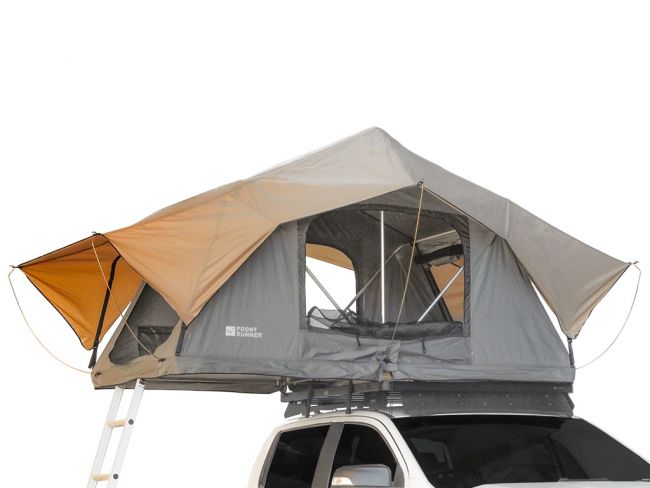
Second choice and here is where the money starts flowing like a flooded creek. RTT (roof top tent) RTTs can start well over 1500 bucks and go way up from there. Pros to an RTT is set up very quickly and the mattress stays in it and for the most part, you can leave all of your blankets inside also which means the bed is ready. Cons well cost duh!!! Also, you have to have something sturdy to mount to like some kind of rack system or a trailer for it to mount to. Did you hear the cash register going off just then!! So no you can’t just toss the dang thing on the roof of your Civic!!!
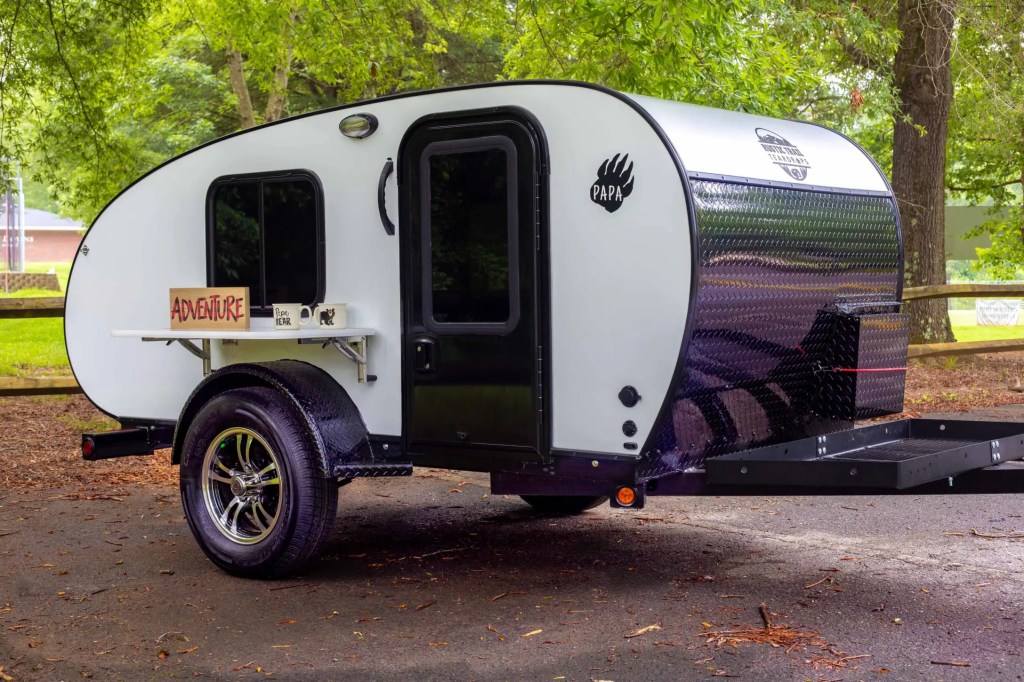
The third choice and the one that will probably make your wallet fill like it has been on a drunken night in Vegas is Tear Drop Trailer. (I want one of these so bad) So here is where the rabbit hole hits rock bottom. Ok, you can build one of these yourself for about the price of an RTT but if you don’t have the time or skill to do so here is where it gets pricy. In my research starting price is a basic Camper is about 8 grand!! I have seen these things get into the 20k range with all the bells and whistles. Pros to Trailer pretty much pull up level it and you’re camping. So the speed of set up is the fastest of all of the ones I listed. Cons well once again cost cost cost. If you’re on a budget one of these is out of the question hands down. You will also have to have something to pull it with and no your Civic will not last long pulling this thing all over the country. Another problem is where are you going, will the trailer survive the trail and will there be room at camp for it.
So we went down that rabbit hole and we got some dirt on us. Let me add another option you might think of could be a hammock and while this is a fast option may not be for everyone. You can also save some coins by looking on the used market for an RTT or Tear Drop, but buyer beware you could be buying someone’s problems. Now that I have laid out all the Pros and Cons get out there the best way you can.
YouTube Tuesday Is Here
So here is your YouTube Tuesday and the video is live.
Fall Camping Season is Coming
Written by Patrick K of Mid Tn Outdoors
In the south for some of us, July and August are well dead months for us because the temp is in the 90s with humidity running near 70% which makes the temp feel into the 100’s and no one wants to sleep in that unless you have snake blood.
So we take this time to make repairs or even change up gear parts here and there (because we are never happy with what we have. So far I have replaced weather stripping on the bed cover, and kicked out the firewood for a propane fire pit.) To make things better, faster set up or easier set up at camp so we can be on the trail longer or cover more miles.
With that all said have I ever camped in the middle of summer, and the answer to that is YES. As a scout, we slept in canvas tents that hold in the heat as much as your kitchen oven. So I have done it for many years and as time went on I introduced a battery-operated fan. So now as an adult, I just choose to bypass these two months. Now you know why I choose not to camp in the dead of summer.
But don’t worry won’t be long before we are camping and Overlanding in new places like LBL, DBNF, and some of our great Tennessee State Park and just maybe some other state’s state parks. So stay tuned and well hope to see you out there.
Very Sad
My heart goes out to this family this afternoon, very tragic.
YouTube Tuesday
It is Tuesday and that means it is YouTube Tuesday. New Video it Alive!!!
5 Tips for Business-Oriented Retirees Looking for a Vacation Home
Written By: Kathleen Cheng
5 Tips for Business-Oriented Retirees Looking for a Vacation Home
Many retirees want to invest in a vacation home. In fact, the business is booming and expected to grow over the next decade, especially since vacation homes aren’t just places where families can congregate. They can be used as a source of income. Mid Tn Outdoors shares some tips for the business-savvy retiree looking to invest.
1. Start a Rental Business
Converting your vacation home into a rental property could supply you with passive income. You could rent it out during your off-season months or make it function similarly to an Airbnb. Run your operations as a legitimate business to establish credibility and consider starting your business as an LLC to protect your personal assets, such as your first home. If you want to start an LLC, you can hire a lawyer or a formation service to form your business for you, but formation services are less expensive.
2. Choose the Right Location
The property should have appeal no matter what season it is. For you, your vacation home should have all the amenities you need when you want a vacation. However, if you want to also use it as a rental property, you need to know what renters look for. For example, in the summer months, many people want easy access to the beach, lake, or a pool, and in the winter months, they may want to ski. Additionally, make sure you live close enough to the property if you want to manage it yourself. This would include handling maintenance requests on top of all the other landlord responsibilities.
3. Budget Ahead of Time
The first major expense is the mortgage itself. Check local listings for average market values in the area of your choice. However, when budgeting, you can’t just consider the cost of the mortgage. There are plenty of business expenses to look out for, like management, maintenance, marketing, business permits, and landlord insurance. Some of those expenses may even be deductible, so factor those into your calculations so that you really know what you can afford. Vacation rental agencies might be a good resource for estimating how often you’d be able to rent out your property, giving you an idea of how much you could expect to make.
4. Watch Out for Properties Sold “As Is”
“As is” is a real estate term used to indicate that a seller will not be making repairs on a property prior to selling it. This could mean that the home has major issues, so before you buy the house, conduct a thorough inspection, paying close attention to common problem areas such as the foundation, the plumbing, and pest infestations. You should also take a look at the land records for anything suspicious. If in doubt, consult a lawyer or set up a contingency to protect yourself.
5. Know the Tax Laws
The property taxes for your vacation home are likely going to be different than where you currently live. Plus, If you end up using your vacation home as a rental property, you’ll have to pay income taxes on any rent you collect. How you manage your rental will determine your vacation home’s tax basis for depreciation, and staying on top of the law will ensure you don’t get into legal trouble down the road.
To make the most of your vacation home, turn it into a business endeavor when you’re not using it. This way, you’re making the most of passive income. Choosing the right location, forming an LLC, budgeting accordingly, and keeping abreast of the laws and regulations will set you up for success.
Tuesday’s Video Is UP!!!
Getting ready for Fall Camping!!
 Mid Tn Outdoors