The crisp October air hits you first. It carries a hint of wood smoke from nearby bonfires. Then comes the sharp scent of fuel mixed with wet leaves on the ground. Engines rumble low in the distance, pulling you into the heart of the action. This is the October Cars N Coffee event, where gearheads gather before heading to the Nashville Super Speedway. As a photographer who lives for these moments, I grab my camera and dive in. Here, I’ll share the sights I captured, from quiet chats over coffee to cars blurring past at full throttle. Join me on this ride through steel beasts and shared stories.
The Morning Ritual: Nashville Cars N Coffee in Full Swing
The October Cars N Coffee meet feels like a family reunion for car lovers. Folks show up early with their prized rides. The lot fills with everything from old muscle cars to shiny new trucks. Laughter echoes as people swap tips on wax jobs or engine tweaks.
Early Arrivals and Sunrise Shots
I always aim to get there by dawn. The golden hour light paints the vehicles in warm glows. It softens edges and highlights chrome details just right. Arriving early lets you catch rare finds pulling in, like a ’67 Mustang fresh from a garage restore. For photographers, pack a wide-angle lens to grab those first rays bouncing off hoods. Keep your tripod steady against the morning chill.
The variety blows me away each time. You spot classics like a Ford Model A next to a sleek Tesla. Some owners polish their rides for hours before dawn. This mix shows how car culture spans generations. I snapped a few shots of a vintage Chevy pickup, its faded paint telling tales of backroad runs.
Community Vibe and Collector Spotlights
What makes October Cars N Coffee special is the people. Owners lean on fenders, sharing how they rebuilt engines from scratch. Kids point at dream cars, eyes wide with wonder. I love catching these candid chats— a quick zoom in on smiles over steaming mugs.
One story stuck with me this year. Meet Tom, with his ’55 Bel Air. He spent two years fixing it after a flood. We talked mods while I framed shots of its candy-apple red finish. His pride shone brighter than the paint. Moments like that remind you it’s not just about the metal. It’s the bonds formed over a shared love.
From Static Display to Apex Predator: Transition to the Nashville Super Speedway
The morning coffee chats wind down. Engines rev up as the group heads out. The shift from calm parking lot to roaring track hits like a gear change. Static beauty gives way to raw power. You feel the buzz build with every mile.
Conclusion: Fueling the Fire Until November
The day wrapped community warmth with speed’s edge. From coffee-fueled talks to banking battles, it was pure fuel for the soul. I captured slices of passion that words alone can’t touch.
Mark your calendar for the next Cars N Coffee. Head to Nashville Super Speedway when you can. Grab your lens or just your eyes. Dive into the local scene—it’s waiting. You won’t regret the roar.
Hey everyone! 🌟 I know it’s been a while since my last video, and I wanted to take a moment to explain where I’ve been and why I haven’t been active on YouTube. Life has thrown some unexpected challenges my way, but I’m back and ready to share my journey with you all! In this video, I’ll dive into what’s been happening behind the scenes, my plans for the future, and how I’m excited to reconnect with this amazing community. Thank you for your patience and support! Don’t forget to like, comment, and subscribe for more updates! #YouTubeJourney #LifeUpdates #communitylove
In this video, I share my personal journey with the Insta 360 Ace Pro 2 and how it has completely changed the way I film! With its innovative technology and user-friendly design, this camera has opened up a world of creative possibilities. I’ll walk you through my favorite features, share some behind-the-scenes footage, and give you insights on how to elevate your own filming game. If you’re looking to enhance your video production skills, this is the video for you! Make sure to subscribe for more tips and reviews! #Insta360AcePro2 #VideoProduction #CreativeFilmmaking
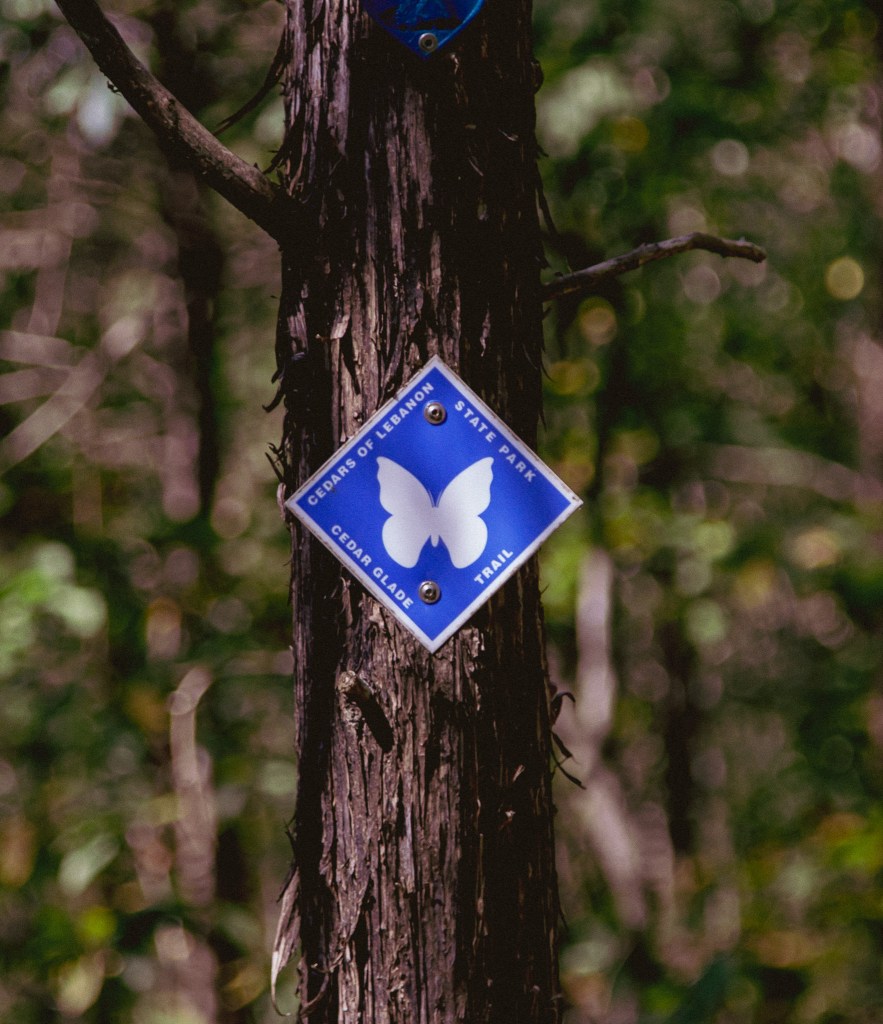
Nestled within the serene landscapes of Cedars of Lebanon State Park, the Cedar Glade Trail offers a captivating hiking experience that showcases the beauty of Tennessee’s natural wonders. With its diverse flora, stunning vistas, and unique wildlife encounters, this trail invites adventurers of all skill levels to immerse themselves in the tranquil surroundings. In this article, I’ll share my personal hiking experience on the Cedar Glade Trail, along with a selection of photographs that capture the essence of this beautiful journey. Whether you’re an avid hiker or a nature enthusiast, join me as we explore what makes this trail a must-visit destination.
Skill Level Required
Cedar Glade Trail is considered an easy-to-moderate hike, making it accessible for most skill levels. If you can walk without tripping over your own feet, you’re good to go! Families with children can also tackle this one, just be prepared for a few “Are we there yet?” moments.
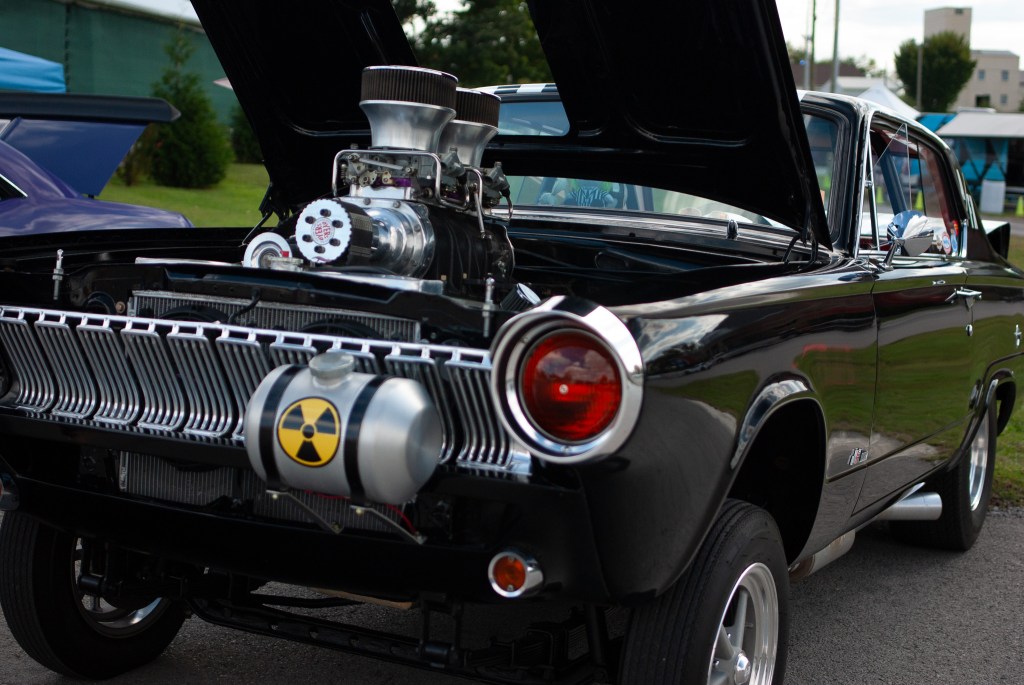
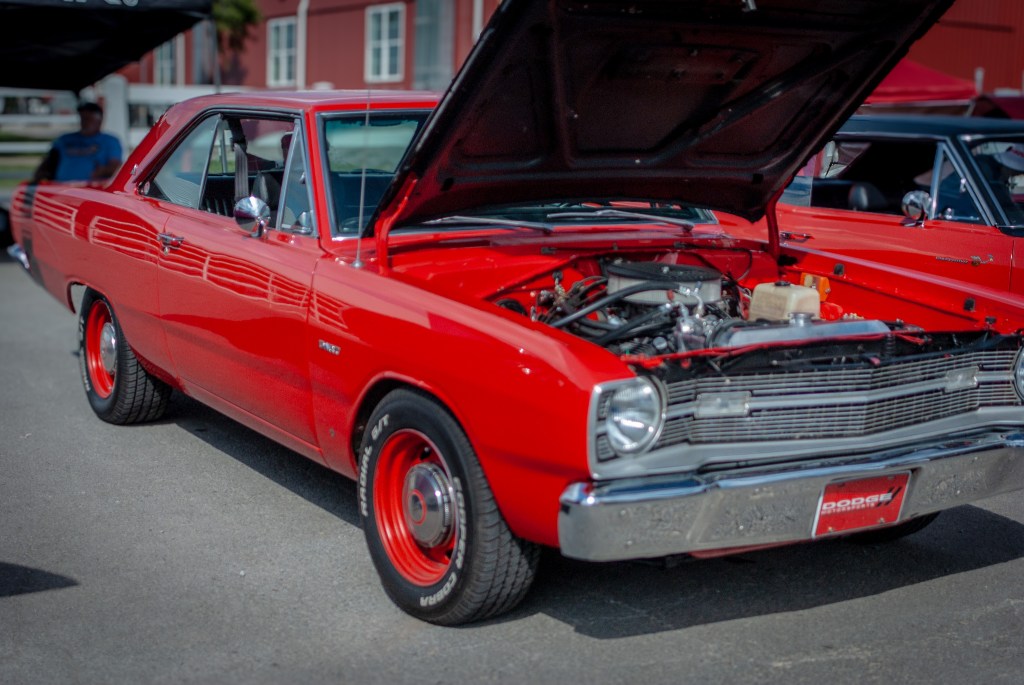
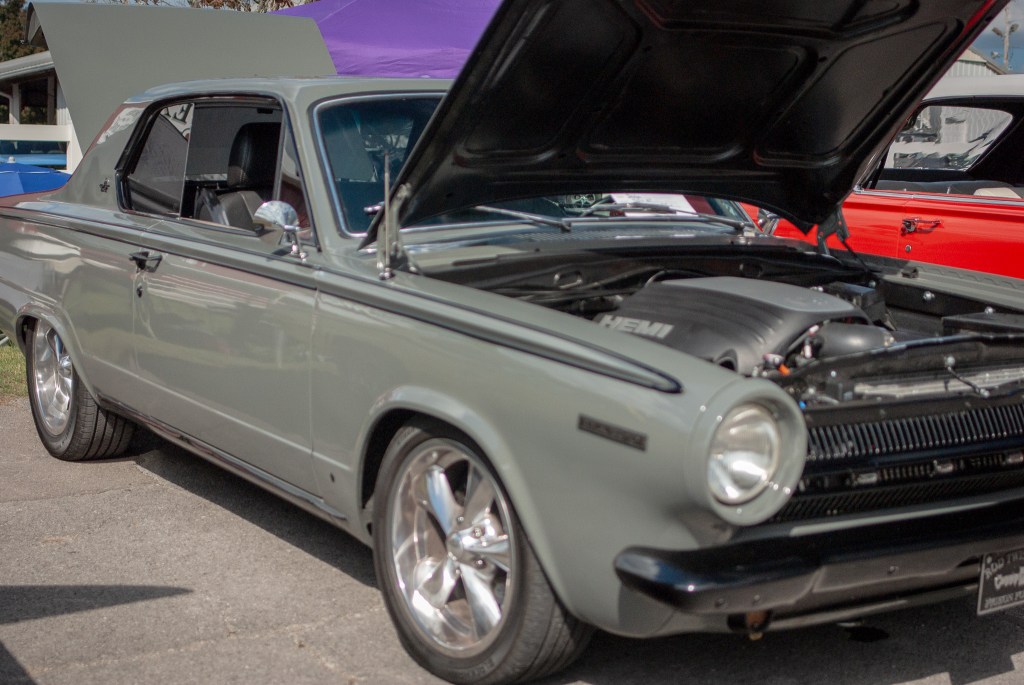
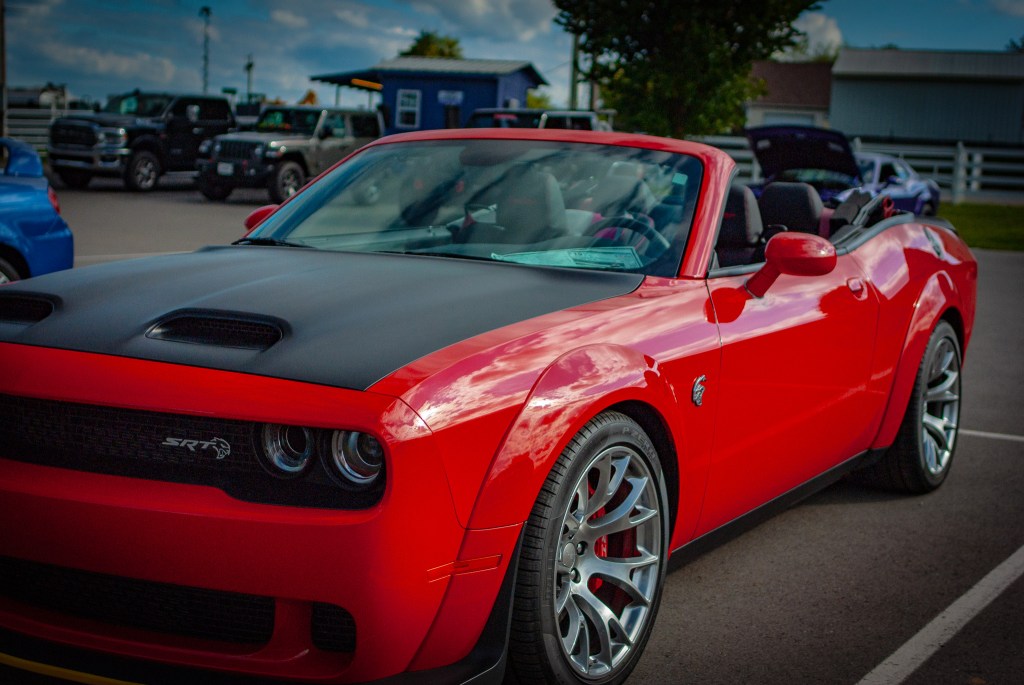
I arrived at the Wilson County Fairgrounds early on September 27, 2025, camera in hand, ready for the Mopar Show. Sunlight glinted off rows of classic muscle cars—Chryslers, Dodges, and Plymouths lined up like old friends. One ’69 Dart Swinger caught my eye; its fresh red paint and chrome bumpers screamed ’70s power. Owners chatted nearby, sharing stories of rebuilds and road trips. I snapped shots of a ’70 Challenger’s snarling grille, then moved to the engine bays, where polished Hemis gleamed under hoods. The crowd buzzed with excitement; kids pointed at the wild paint jobs. By afternoon, dust from the gravel lot mixed with exhaust smells as engines roared to life for a quick demo. Through my lens, it felt like a time capsule of American grit and speed, frozen in one perfect day.
Through my camera lens, Margaritaville Island Hotel in Pigeon Forge bursts with island vibes right in the Smoky Mountains. Palm trees sway near the lazy river pool; guests float by on tubes, laughing under bright blue skies. The lobby hums with Jimmy Buffett tunes, while sunset shots catch the rooftop bar glowing orange. Rooms offer cozy views of the hills, and the beach bar serves salty margaritas that taste like escape. It’s a quick getaway spot, blending fun and relaxation in one frame.
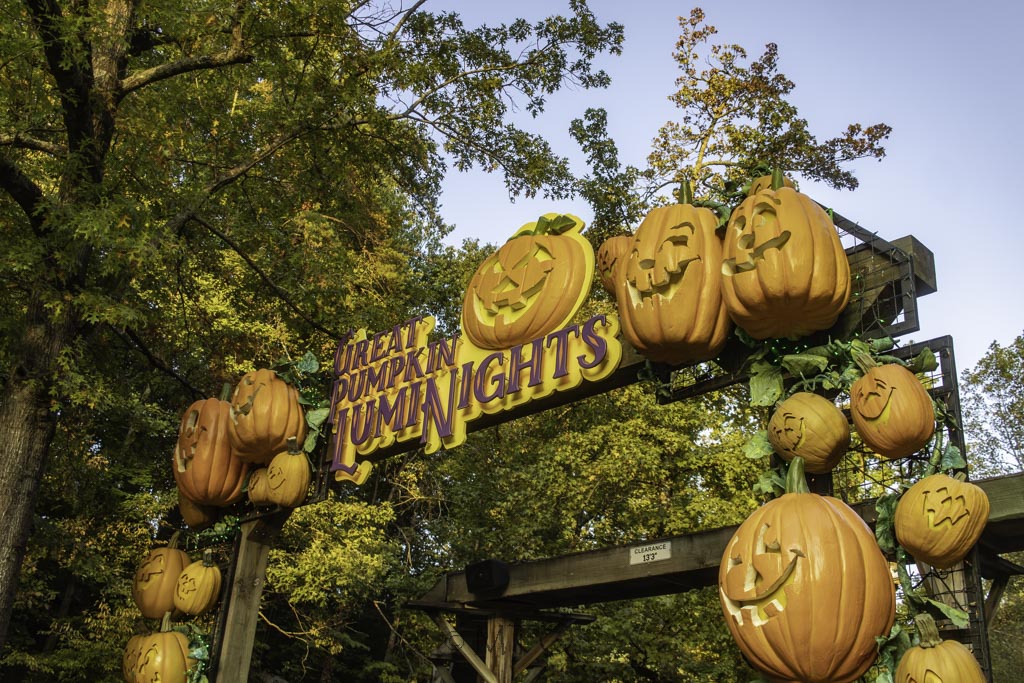
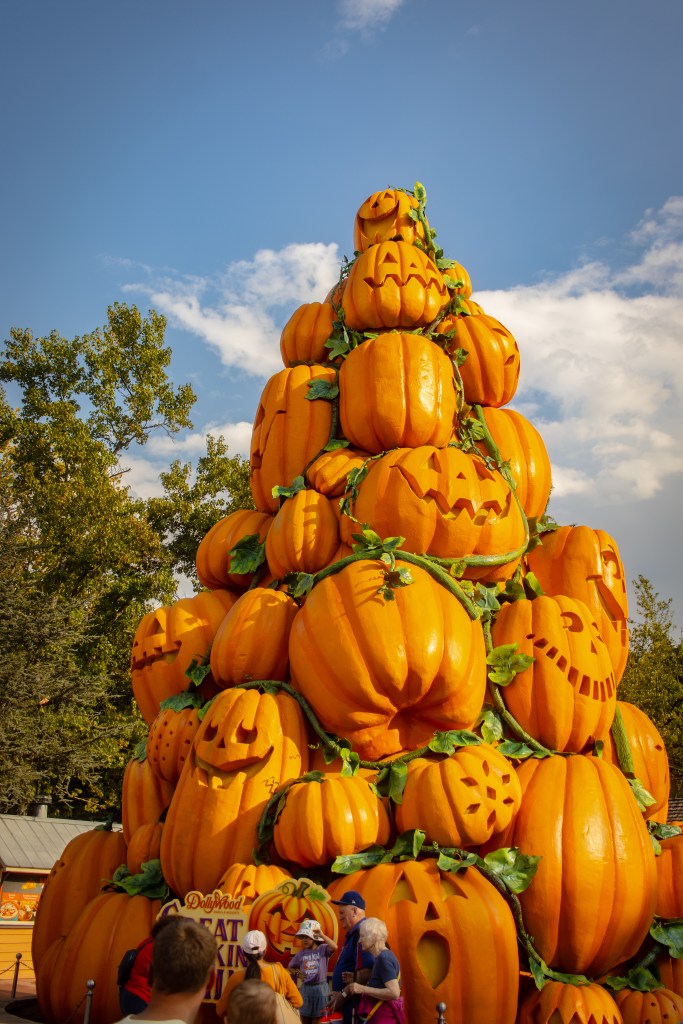
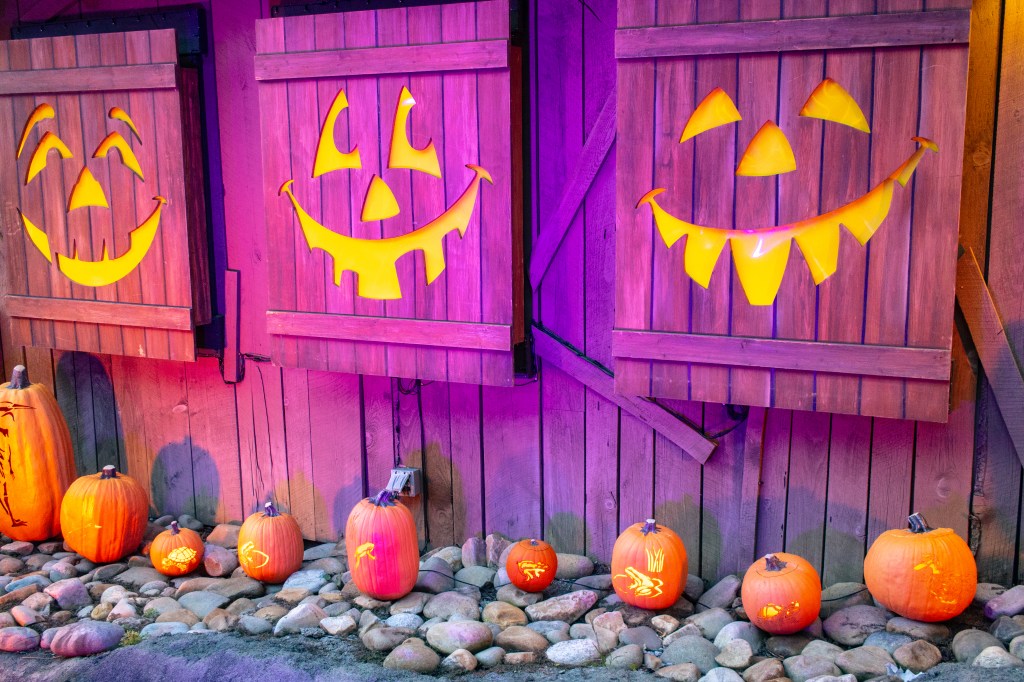
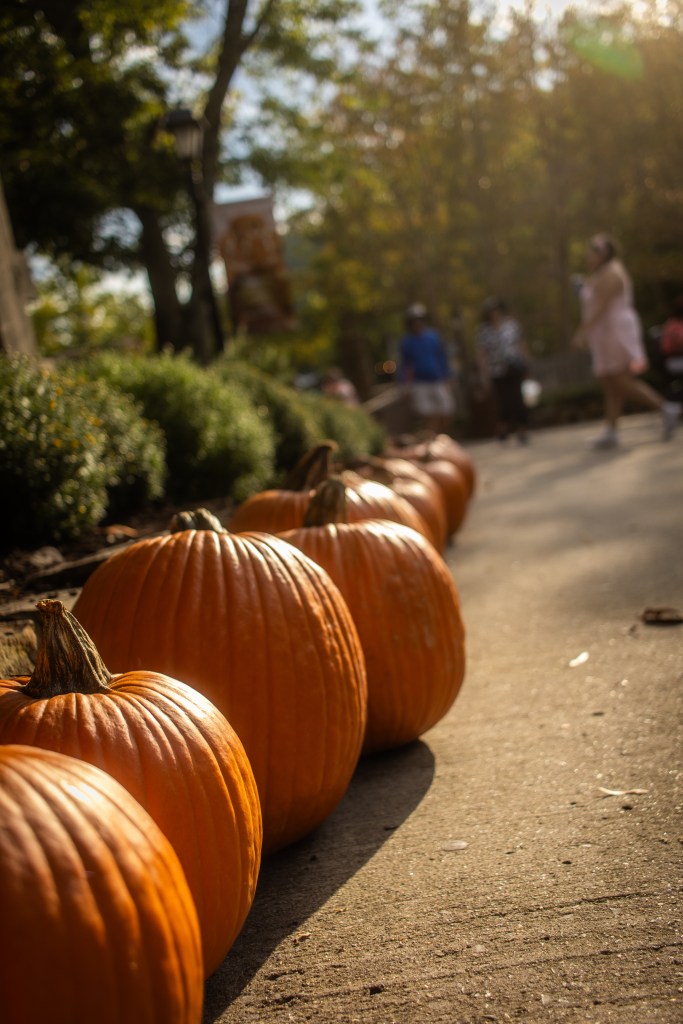
The crisp fall air hit me as I stepped out of my car, carrying hints of wood smoke and fresh apples. Pumpkins lined the paths, glowing under strings of warm lights that twinkled like stars in the Smoky Mountains. That first whiff of pumpkin spice from a nearby stand pulled me right into the Dollywood Harvest Festival, a place where autumn feels alive and full of wonder.
This event turns the park into a harvest wonderland each year from mid-September to early January. Started back in 1968, it honors Dolly Parton’s love for her Appalachian roots with food, lights, and music that draw over a million visitors. Through my eyes, I’ll share the smells, tastes, and sights that made my trip unforgettable, from the grand pumpkin displays to hidden spots for quiet moments. Stick around as I walk you through it all, so you can picture your own adventure there.
I picked up a Canon 16-35mm L Lens: My First Impressions and Why You Might Want One
Getting professional camera gear always feels good. The Canon L-series lenses are famous for a reason. For many years, I saw amazing photos taken with the Canon 16-35mm L. This lens is known for great wide-angle shots. Not long ago, I finally bought this special lens for my camera bag. It’s more than just owning an L lens. It means I can try new ways to take pictures. I can also see why many photographers love this lens so much.
This 16-35mm lens range works for many things. It’s great for taking pictures of nature or documenting events. But does it really live up to all the talk? In this article, I will share my honest thoughts on the Canon 16-35mm L lens. We will look at how it feels, how it works, and what kinds of photos it takes best. Are you thinking about buying a better lens? Or do you just want to know about this well-known lens? Come along as I show you why the Canon 16-35mm L is an important tool for photographers.
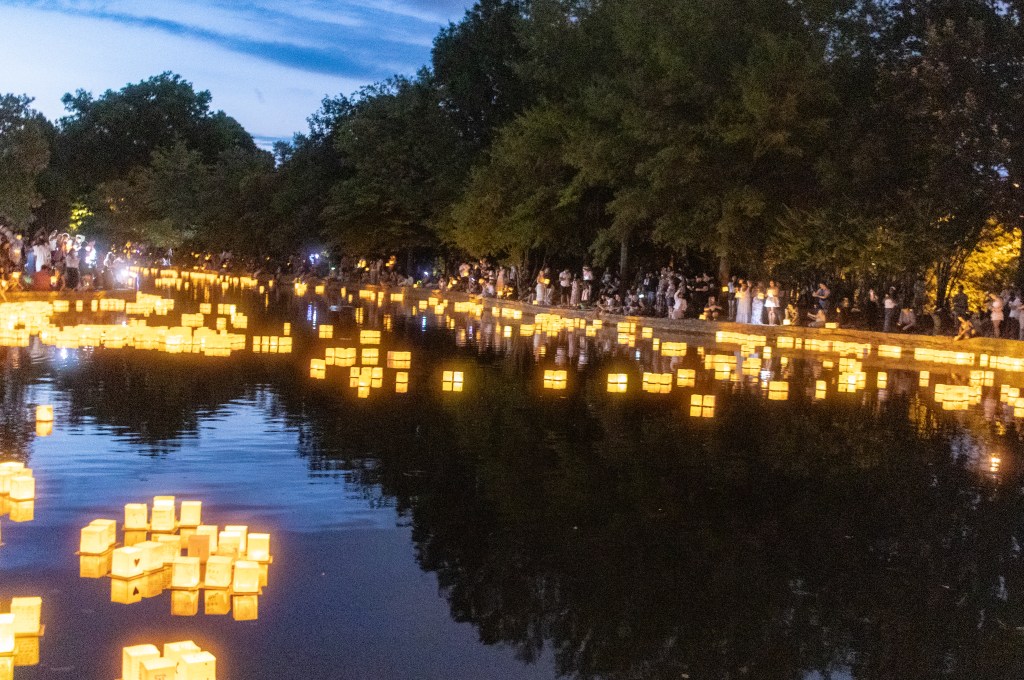
Imagine a warm summer evening, soft music floating on the air, and thousands of tiny lights dancing on the water. This was the scene at the Nashville Water Lantern Festival held on August 23rd, right beside the city’s iconic Parthenon. It was a sensory delight, pulling together light, sound, and a strong sense of togetherness in one unforgettable night. Everyone present felt the special energy as dusk turned the sky a deep blue.
The tradition of releasing illuminated lanterns on water holds deep meaning for many. People often write wishes, hopes, or memories on their lanterns before sending them off. This simple act creates a beautiful symbol of new beginnings, remembrance, and shared dreams. Witnessing so many personal thoughts take flight on the water had a powerful, moving effect on all who attended.
The Parthenon: A Majestic Backdrop for a Celestial Display
The Parthenon in Nashville stands as a timeless wonder, making it a perfect spot for such a magical event. Its grand presence elevated the entire festival, adding a layer of breathtaking beauty to the evening. We saw how its strong, classical lines complemented the delicate glow of the lanterns.
Capturing the Glow: Must-See Moments from the Festival
The festival was a photographer’s dream, offering countless scenes worthy of a picture. Every angle seemed to reveal another stunning view. Many folks brought their cameras to capture the glowing beauty.
More Than Just Lights: The Festival Experience
While the lanterns were the main attraction, the August 23rd festival was so much more than just lights on water. It was a complete evening of community and celebration. There was a joyful buzz in the air all night long.
Conclusion: Carrying the Light Forward
The Nashville Water Lantern Festival at the Parthenon on August 23rd was a truly magical evening for all who attended. From the shimmering lanterns to the majestic backdrop of the Parthenon, every moment was filled with beauty and emotion. It was a night when light, hope, and community shined brightly for everyone to see.
We hope you felt the wonder of this unique event, either by being there or seeing the amazing pictures. Consider seeking out similar experiences in the future to embrace the themes of hope and connection. May the light from that unforgettable evening continue to inspire peace and good feelings within us all.
The air will soon hum with excitement, marking the return of Nashville Cars and Coffee. This annual spectacle brings together car lovers from all over. The August 2025 event at the Nashville Super Speedway promises a day filled with incredible vehicles and shared passion. Anticipation is already building for this one-of-a-kind automotive gathering.
I plan to dive deep into this event, not just as a spectator, but through my camera’s lens. My goal is to capture the true spirit of the day, showing the visual magic of these machines. It is a rewarding challenge to frame the beauty, the power, and the stories behind each car. Every click of the shutter tells a piece of the tale.
The Nashville Super Speedway provides an amazing stage for these cars. Its wide-open spaces and iconic structures offer endless chances for unique photos. This venue makes the August 2025 event truly special. It is a fantastic place to celebrate car culture.
The Grand Arrival: Morning Light and Machine Marvels
Gates Open: The First Wave of Automotive Art
Arriving bright and early is key. It lets me grab the best spots before the crowds fill in. There’s a special thrill watching the first wave of cars roll onto the grounds. You can hear engines rumbling, a low growl that signals the start of something big. Rare classic cars and shiny custom builds slowly appear, each one a work of art. The atmosphere buzzes with a quiet excitement as the Super Speedway begins to fill.
Lighting Conditions: The Golden Hour’s Embrace
Early morning light offers a photographer’s dream. This “golden hour” creates long, soft shadows. It makes the cars look even better. The low angle of the sun brings out every curve and line. It highlights the polished finishes of each vehicle. Try shooting from the side to show off body lines. Backlighting can create a cool halo effect around a car, making it stand out even more.
Diversity on Display: A Spectrum of Steel and Style
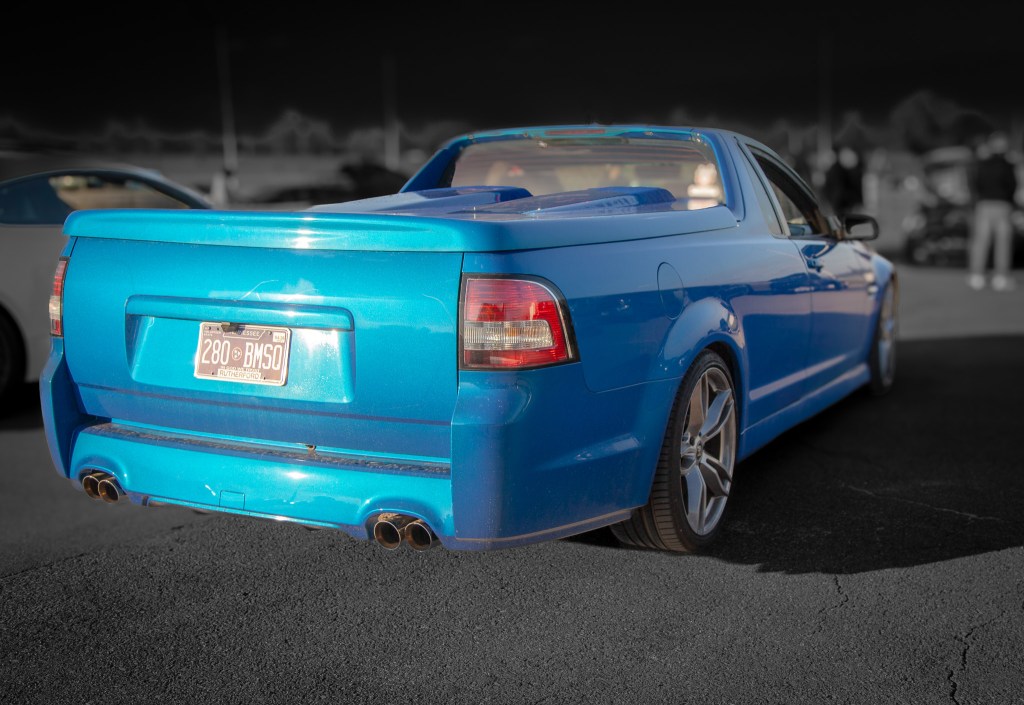
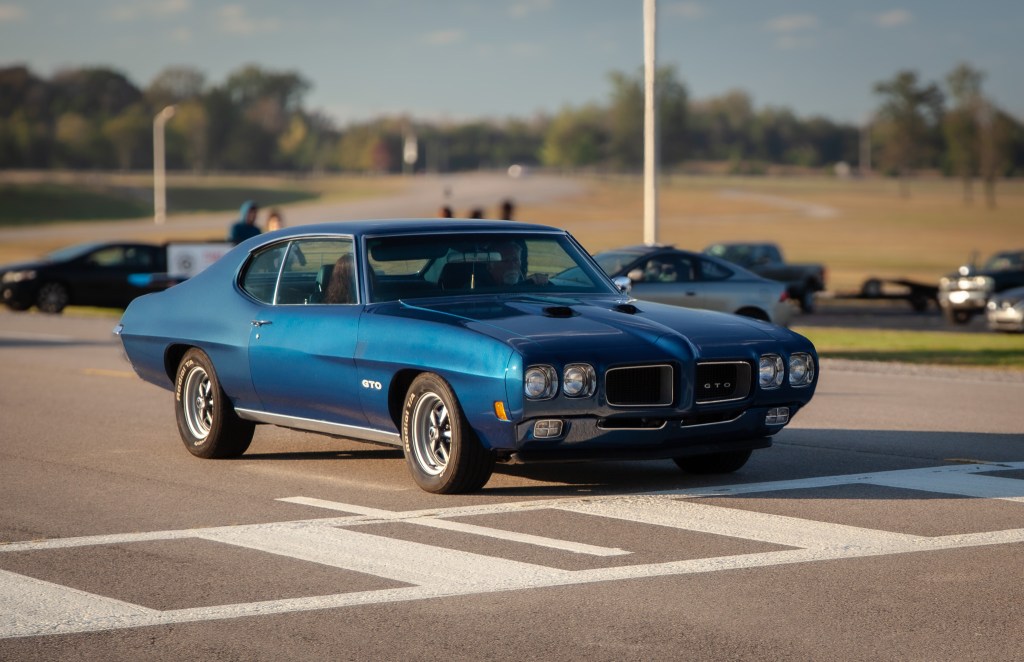
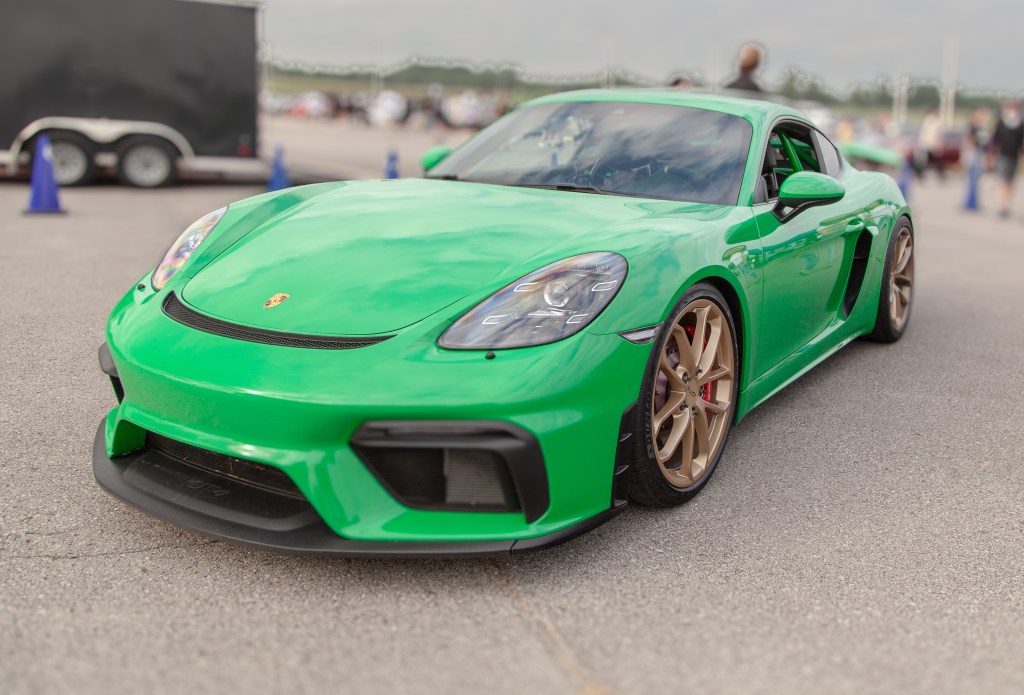
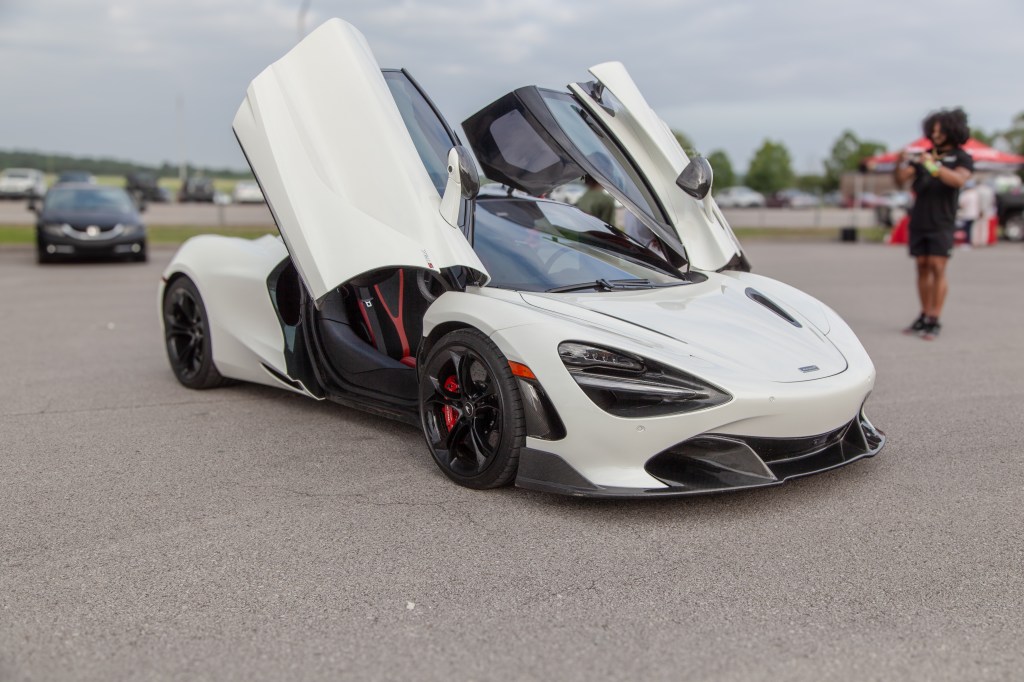
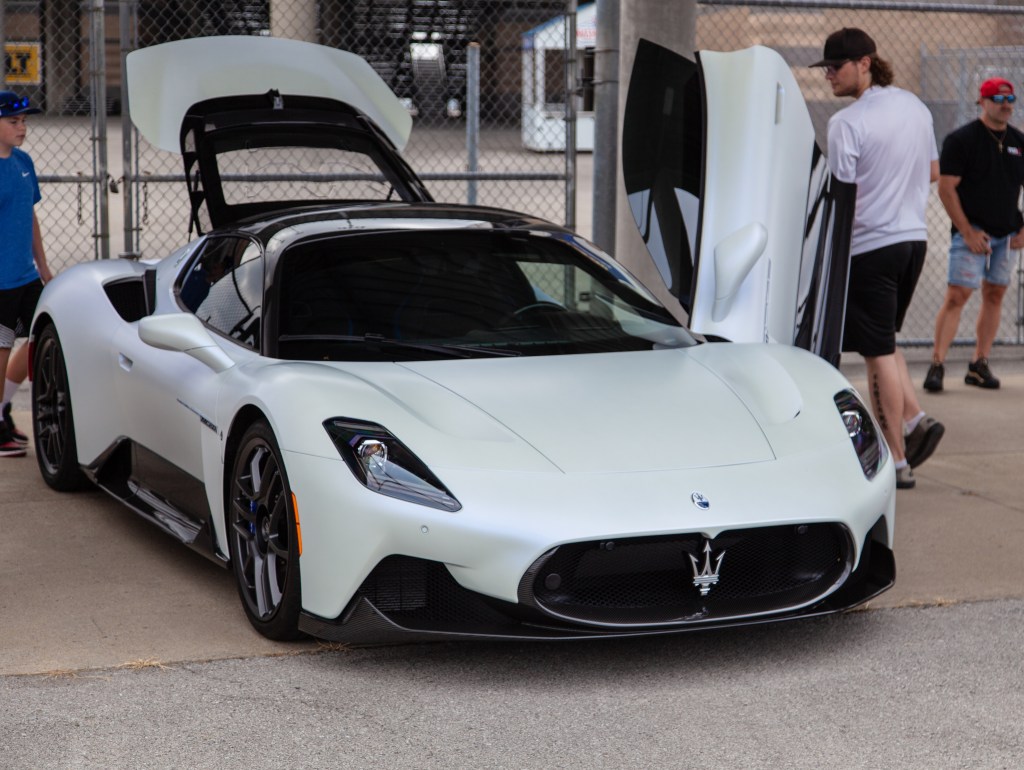
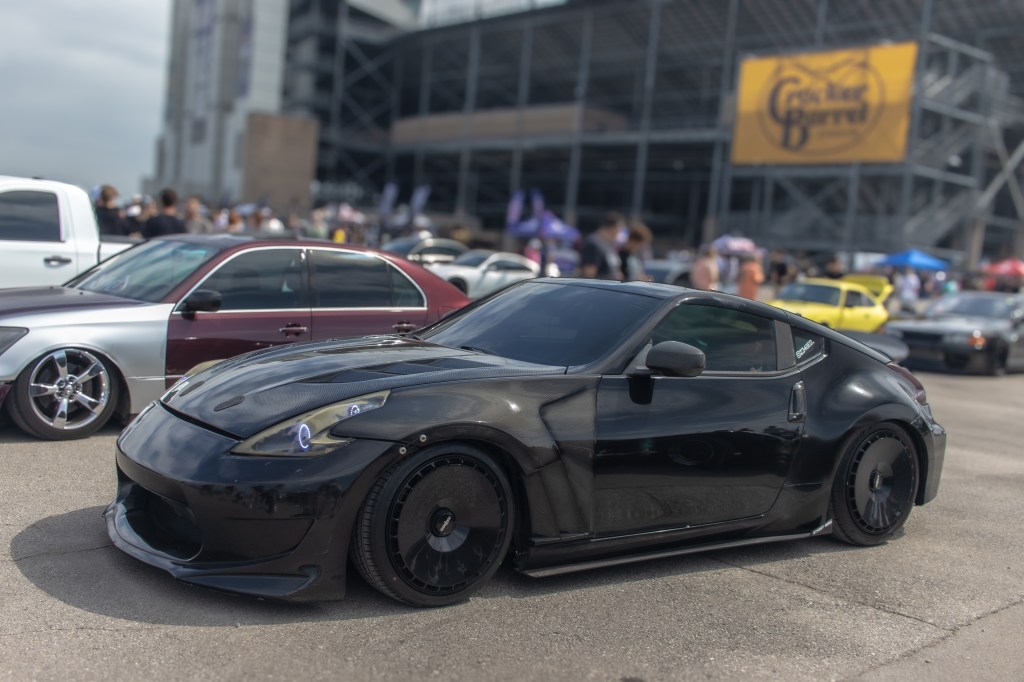
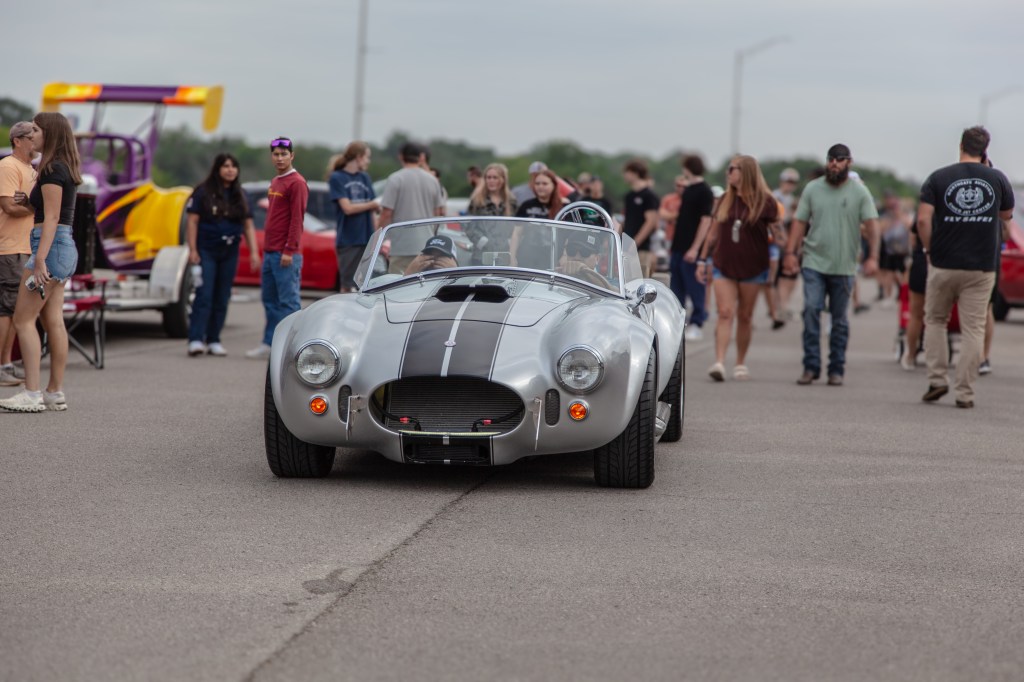
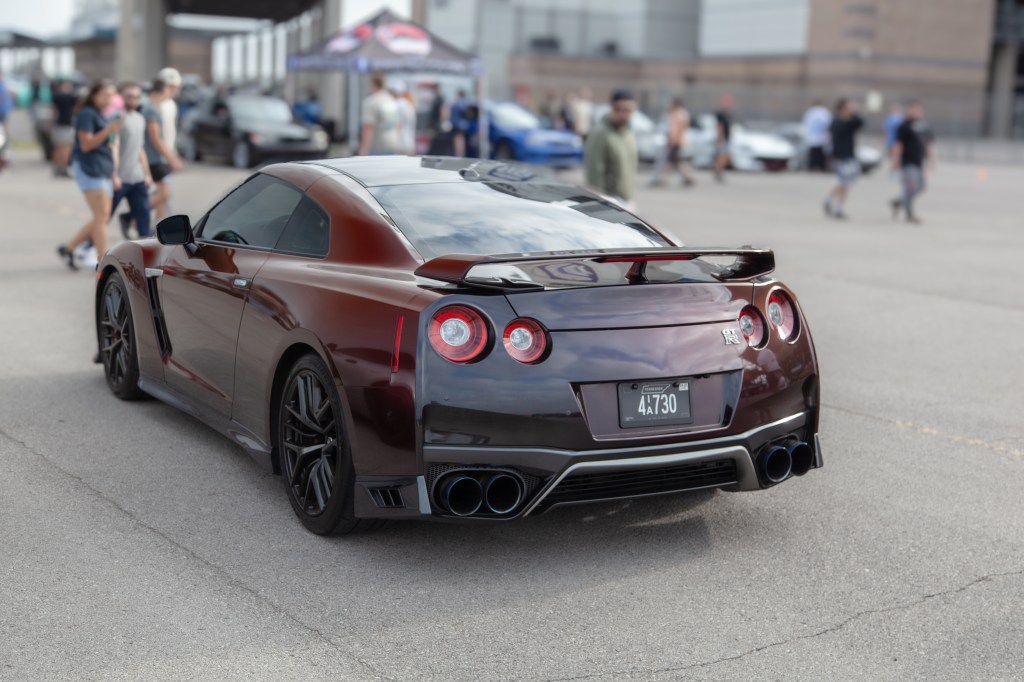
Nashville Cars and Coffee always showcases an amazing mix of vehicles. You’ll see everything from roaring muscle cars to sleek modern supercars. Vintage trucks with their rugged charm often sit next to elegant European sports cars. Custom hot rods display unique artistry. It’s a feast for the eyes, with each vehicle telling its own story of design and engineering.
Capturing the Details: Beyond the Broad Shot
The Art of the Close-Up: Focusing on Finishes and Features
Getting up close lets me show off the amazing craftsmanship of these cars. Detail shots tell a deeper story than wide shots can. Imagine seeing the fine lines of an intricate grille or the perfect shine on custom wheels. Polished chrome gleams under the sun. Vintage badges hint at history. Even tiny interior details can reveal a car’s unique personality.
Portraits of Power: Lenses on the Engine and Interior
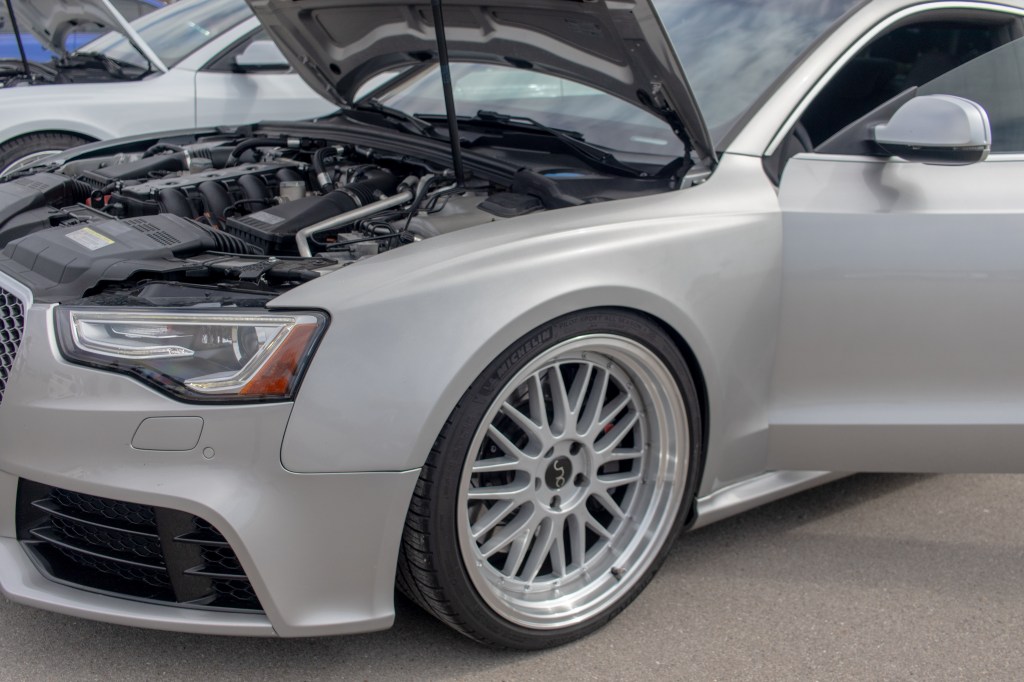
The engine bay holds incredible engineering marvels. Polished V8s or complex turbocharged setups often feature custom touches. I love to photograph these areas, showing the heart of the machine. Inside, leather seats, classic dashboards, and unique steering wheels tell another story. These close-ups reveal the passion put into every part of a vehicle. They offer a peek into the soul of the automobile.
The Human Element: Community and Conversation
Cars and Coffee is more than just cars; it’s about the people who love them. I enjoy capturing candid moments of owners sharing their stories. You see friends laughing, families exploring the cars together, and enthusiasts deep in conversation. These interactions show the warm community spirit. It’s a wonderful part of the event to capture.
The Nashville Super Speedway Setting: A Canvas for Cars
The Grandstands and Racetrack: A Unique Backdrop
The Nashville Super Speedway offers a backdrop unlike any other. Its towering grandstands and famous racetrack create a dramatic scene. This setting makes photos stand out from other car shows. I like to frame cars with the track’s curves behind them or with the grandstands soaring high. It gives each image a feeling of speed and history, even when the cars are parked.
Vast Expanse: Utilizing Space for Composition
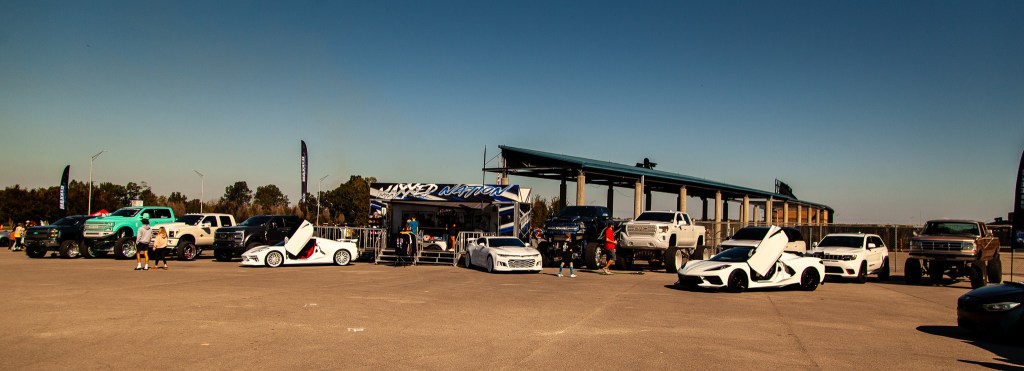
The Speedway’s open spaces are perfect for creative compositions. I can isolate a single car against a wide, clear background. Or I can show the sheer number of vehicles spread across the huge area. Using negative space helps a car truly pop. Framing a vehicle within the lines of the track adds depth. This venue truly lets photographers play with scale.
Local Flavor: Nashville’s Automotive Identity
You can often spot touches of Nashville’s car culture at the event. Local car clubs bring out their prized possessions. You might see a strong showing of lifted trucks, a popular sight in Tennessee. There’s a distinct regional pride in the vehicles on display. This local identity adds another layer to the visual story of the day.
Photographer’s Toolkit: Gear and Techniques for the Day
Essential Camera Gear for Automotive Events
For a day at Nashville Cars and Coffee, I pack smart. A reliable camera body is a must. I bring a versatile lens, like a 24-105mm, for general shots. A wider lens, perhaps a 16-35mm, is great for showing the scale of the Speedway. A telephoto lens, around 70-200mm, helps with detail shots from a distance. Extra batteries and memory cards are vital, ensuring I don’t miss a single moment.
Post-Processing: Enhancing the Automotive Image
After the event, I spend time making the photos shine. Basic edits include adjusting exposure to get the brightness right. Boosting contrast can make colors pop. A touch of saturation brings out vibrant paints. Sharpening gives details a crisp look. Sometimes, I use color grading to give photos a certain mood, like a warm, sunny feel or a cool, sleek look.
Action Shots: Freezing Speed (Even When Parked)
Even with parked cars, you can suggest motion. I try to find dynamic angles that make a car look like it’s ready to speed off. Imagine a low shot, aiming up at a sleek supercar. Sometimes, a slight blur in the background, even on a static image, can hint at speed. This technique helps bring parked cars to life in a fun way.
Beyond the Lens: The Lasting Impression of August 2025
Community Connection: The Heartbeat of Cars and Coffee
The real magic of Nashville Cars and Coffee is the strong community. People from all walks of life come together over a shared love for cars. It’s truly inspiring to see. Owners swap stories, share tips, and simply enjoy being around others who “get it.” This sense of belonging is as powerful as the roar of any engine. It makes the event feel like a big family reunion.
A Photographer’s Takeaway: Memories Captured
From a photographer’s view, Nashville Cars and Coffee August 2025 at the Super Speedway was a visual feast. Each frame holds a memory. Capturing the gleaming chrome, the powerful engines, and the joyful faces made for an unforgettable day. I left with a memory card full of stunning images. Each photo helps tell the story of this amazing event.
Conclusion: Nashville Cars and Coffee August 2025 – A Visual Triumph
The Nashville Cars and Coffee event in August 2025 at the Super Speedway offered a photographer’s paradise. It combined stunning vehicles, perfect lighting, and a vibrant community. The unique venue provided endless chances for truly special shots. It proved to be a triumph for visual storytelling. If you missed it, make plans for the next one. Come and experience the excitement, and maybe even capture some of your own striking images.




















 Mid Tn Outdoors