In this Titan Update, we’re diving into the latest developments and, of course, addressing the elephant in the room: what did I break this time? Join me as I walk you through the recent changes, share some behind-the-scenes insights, and maybe even have a laugh about my latest mishaps. Whether you’re a seasoned Titan user or just curious about the updates, there’s something here for everyone. Don’t forget to like, subscribe, and hit that notification bell for more updates! #TitanUpdate #TechMishaps #behindthescenes
Category: Uncategorized
“The Hill” Music City Raceway, Goodlettsville Tn

Starting in 1958 as a 1/4 mile dirt track has been shortened to a 1/8 mile drag strip in Goodlettsville, Tn, sitting on top of a hill as it has always been known as “the Hill”. I have been coming here for over the last 40 some odd years. The track has had many names over the years, starting with Union Hill International Dragway.


Funny thing is seeing some of the names there that have been racing there for generations. This track has it own kind of charm. Nothing has really changed since I have been coming up here.


Tracks like this are getting hard to find; some are either closing because of money, or just time itself killing them one by one. How is the health of this track? Well sounds shaky at best, talking to some of the drivers last night.

I hope it doesn’t meet the same demise as others around the country have, and some way and how, there is a spark that brings more butts back in the stands and cars in the pits. After all, if you’re a motorsports nut like me, you find yourself drawn to a loud engine and tires smoking.

Why Night Shots of Lebanon TN Square Look So Cool

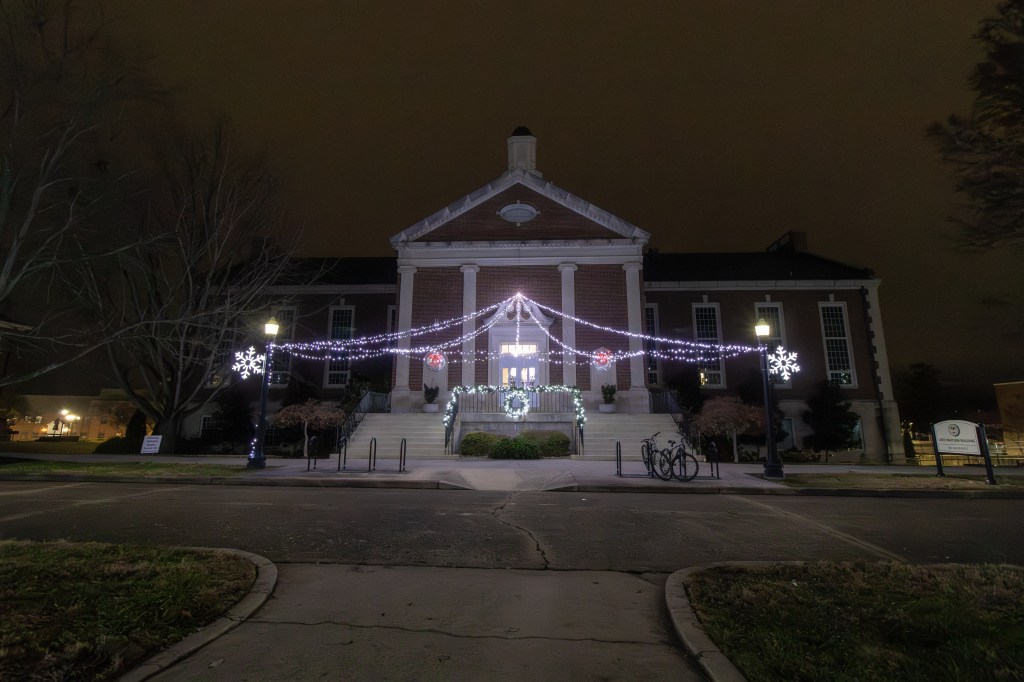
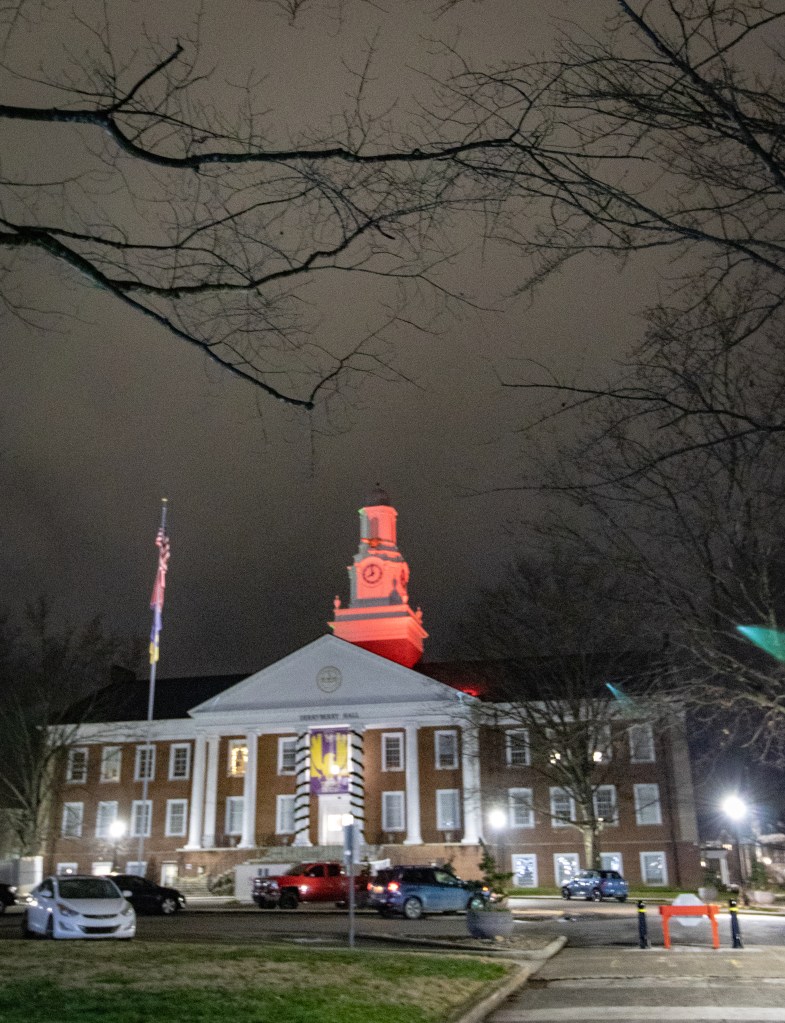
The square in Lebanon, TN, glowed under a quiet night sky. Streetlights cast warm pools of light on the cobblestone. A few benches sit empty, waiting for dawn. The old courthouse stands out, lit just enough to show its details. Shadows dance as a gentle breeze moves through the trees. The camera captured the scene with soft focus and clear information. It’s a peaceful moment, simple but full of calm. The night air feels cool against the silence. Little lights flicker from nearby shops, hinting at life inside. The photo shows how still the town is when everyone is asleep. It’s a small glimpse of quiet nightlife in Lebanon.


Capture the Charm: Walking Around Downtown Franklin TN with a Canon SL3

Explore Downtown Franklin TN through your camera lens. This historic town is a picture-perfect place no matter the season. Its friendly streets, charming shops, and beautiful architecture make it a dream for casual photographers. The Canon SL3 stands out as the perfect tool for capturing every moment, big or small, during your walk. Why? Because it’s simple to use and shoots stunning photos. Whether you’re new to photography or have some experience, the Canon SL3 helps you turn everyday scenes into memorable images.

Main Street shines with quaint storefronts, vintage signs, and historic architecture. Frame these with the rule of thirds, and include people for lively scenes. Capture reflections in windowpanes or the textures of old bricks. Look for small details like porch swings or flower boxes that tell stories of local life.

Walking through Downtown Franklin TN is a unique experience—rich history, lively streets, and beautiful scenes await around every corner. Your Canon SL3 is the perfect companion to capture these moments simply and beautifully. By mastering its features and understanding the area’s best photo spots, you’re set to create a collection of memories that last. Get out, explore, and let your camera tell Franklin’s story through your eyes.

Capture Nature’s Beauty with the Sony A100 and 50mm f/1.7 Lens

Nature walks are more than just a way to enjoy fresh air—they’re perfect for capturing stunning photos. Photography not only sparks creativity but also boosts mental well-being. When you pair the Sony A100 DSLR with a 50mm f/1.7 lens, you get a powerful combo ideal for outdoor photography. This prime lens shines in sunny and cloudy conditions alike, giving you sharp, detailed images of landscapes, flowers, and wildlife. Let’s explore how to make your outdoor shots stand out with this equipment.

Mastering Composition and Focus with the 50mm f/1.7 Lens
Focal Length: The Power of 50mm for Nature Shots
A 50mm lens offers a natural perspective similar to what the human eye sees. It’s perfect for framing both wide landscapes and intimate details like a flower or insect. You can bring distant trees closer or isolate a tiny mushroom without distortion. Its versatility makes it a favorite for outdoor photographers.

Maximize Image Quality in Nature Photography
Control Depth of Field
At f/1.7, background blur (bokeh) is stunning, perfect to emphasize your subject. For landscapes:
- Use smaller apertures (f/8 or f/11) to keep everything sharp
- Try different apertures to see what best highlights your scene

Real-World Examples and Inspiring Shots
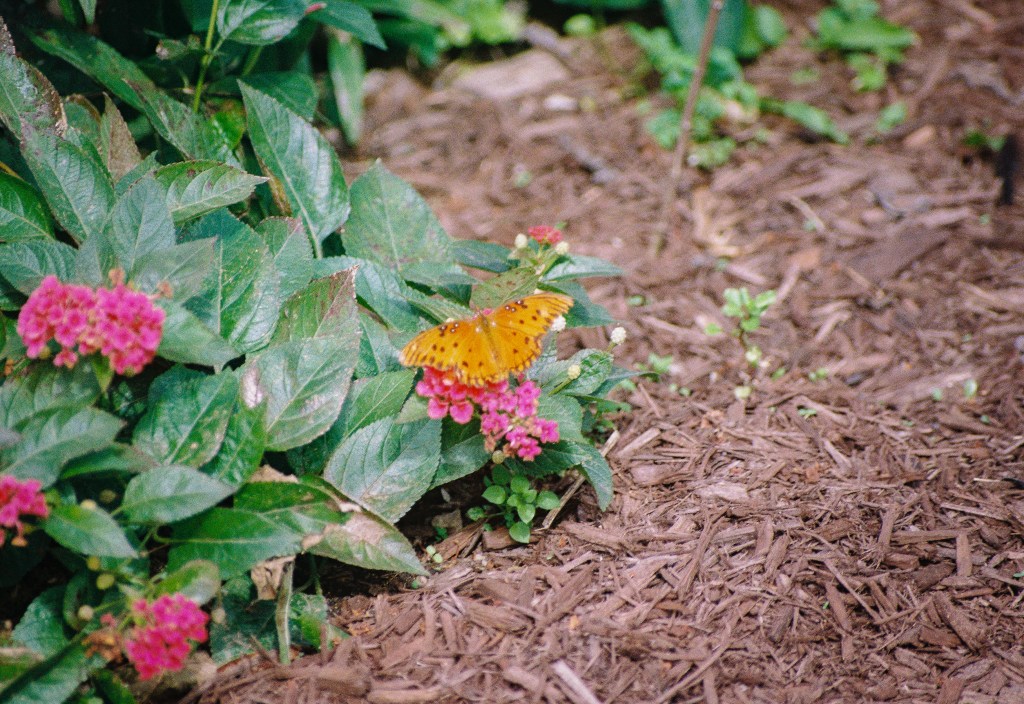
A photographer once captured a butterfly on a vibrant flower, using a wide aperture to blur the background beautifully. The image’s sharp focus on the butterfly’s wings made it feel like it was ready to fly off the screen. The key? The right lens at the right moment, paired with thoughtful composition. Skilled outdoor photographers often praise the Sony A100 for its reliability, combined with the 50mm f/1.7 for capturing fine details.

Conclusion
Exploring nature with your Sony A100 and 50mm f/1.7 lens unlocks endless creative possibilities. Prepare well, plan your timing, and master your camera’s settings. Focus on composition and practice patience. With these tips, every walk can become a chance to take stunning photos that tell the story of the outdoors. So grab your gear, hit the trails, and start capturing nature’s beauty today. Your best shot might be just around the next bend.

Transform Your Trail Photos with the Olympus PEN Mini
Join me on an exciting hiking adventure as I explore the great outdoors with my Olympus PEN E-PM1! In this video, I’ll share tips on capturing stunning landscape shots, the best settings for nature photography, and how to make the most of this compact camera while on the trail. Whether you’re a seasoned hiker or just starting out, you’ll find valuable insights to enhance your photography skills. Don’t forget to like, subscribe, and hit the notification bell for more outdoor adventures! #HikingPhotography #OlympusPEN #NatureLovers
My First Photos with the Olympus E-PM1 Micro Four Thirds Camera: A Beginner’s Guide

Starting out with a mirrorless camera like the Olympus E-PM1 feels exciting. It’s small enough to carry everywhere but offers big picture quality. Whether you’re into city streets, nature, or family moments, this camera can do it all. Your first shots might not be perfect, but they will teach you what this little camera is capable of. Learning the camera’s features helps you take sharper, clearer photos that stand out.

Understanding the Olympus E-PM1 Micro Four Thirds Camera
Overview of the Olympus E-PM1
The Olympus E-PM1 is a tiny powerhouse made for beginners. Its compact size makes it perfect for travel, street photography, or everyday use. It packs a 12-megapixel sensor that captures sharp images even in tricky light. You can change lenses easily, thanks to its Micro Four Thirds mount, giving you many creative options. Launched in 2011, it’s considered a solid entry in Olympus’s mirrorless lineup.

Why Micro Four Thirds System Matters
The Micro Four Thirds system is smaller than traditional DSLR setups. That means your camera and lenses are lighter and easier to carry. It works with a wide range of Olympus and third-party lenses. While the sensor isn’t as large as full-frame cameras, it still delivers great image quality. This setup is perfect if you want a balance of portability and image detail.

Essential Accessories for Better Photos
A versatile kit lens, like the 14-42mm, is ideal for beginners. Consider a small tripod for steady shots or landscapes. Extra batteries keep you shooting longer, and SD cards with plenty of space mean you won’t run out of memory. Using a camera strap helps you hold the camera steady and avoid drops.

Conclusion
Getting started with the Olympus E-PM1 isn’t about taking perfect shots right away. It’s about practice, experimenting, and understanding your camera’s features. Start with simple scenes—flowers, your pet, or city streets—and review the results. Over time, you’ll see your skills improve. Keep exploring different genres, learn from your mistakes, and most importantly, enjoy the process. Your journey into photography begins with just a click.

Capturing Unforgettable Moments: How I Photographed My Daughter’s Senior Prom Pictures Using My Canon 5D Mark II
Prom night is one of those special moments in life. It’s full of excitement, nerves, and happy tears. For many parents, these memories matter just as much as their child’s. I wanted to capture every smile, dance move, and emotional hug on my own camera. Choosing to photograph my daughter’s senior prom instead of hiring a pro was a big decision, but it paid off. The Canon 5D Mark II turned out to be the perfect tool for creating stunning images that will be treasured forever.

Camera Selection: Why the Canon 5D Mark II is Ideal
The Canon 5D Mark II is a workhorse for capturing clear, detailed photos. Its full-frame sensor produces sharp images with rich colors. That sensor also performs well in low light — perfect for outdoor dances or dimly lit venues. The camera’s advanced ISO capabilities let me shoot with little noise, even in darker settings. Compared to other cameras in the same class, this model strikes a great balance of quality, affordability, and ease of use. So, for prom photos, it’s a top choice.

Timing and Light Considerations
Timing is everything. The best natural light comes during golden hour — just before sunset. We timed our outdoor shoot then for warm, flattering photos. Indoor shots needed careful use of camera settings to avoid grainy images. If possible, I scheduled some time when the lighting would be ideal, reducing the need for heavy editing later.

Setting Realistic Expectations
Not every shot has to be perfect. I aimed for a mix of candid moments and posed photos. Sometimes, raw, spontaneous laughter makes the best memory. It’s all about capturing genuine happiness, not just looking perfect.

Conclusion
Taking prom photos with the Canon 5D Mark II gave me creative control and beautiful results. With good planning, understanding camera settings, and some post-processing, I created images my daughter will cherish forever. It’s a rewarding experience to capture these milestones yourself. If you’re thinking about doing the same, don’t be afraid to try. Your camera can turn fleeting moments into lasting memories — all it takes is a little preparation and patience. Start planning your own prom shoot today, and make memories that last a lifetime.

My First Day Shooting the Legendary Canon AE-1
Welcome back to the channel! Today, I’m excited to introduce you to my new toy: the Canon AE-1 Program! This iconic film camera has a rich history and a loyal following, and I can’t wait to explore its capabilities. In this video, I’ll walk you through its key features, share some shooting tips, and show you the results of my first roll of film. If you’re curious about film photography or looking to enhance your skills, this video is for you! Make sure to subscribe for more photography adventures! #CanonAE1Program #FilmCamera #PhotographyJourney
How to Start a Small Farm and Actually Make Money Doing It
Image: Freepik
Somewhere between scrolling through Instagram homesteaders and dreaming of ditching the nine-to-five, the idea starts to feel less like a fantasy and more like a plan. You imagine the land, the early mornings, the soil under your nails. Maybe it’s chickens clucking at dawn or rows of sun-kissed heirloom tomatoes. Either way, something about farming feels real and purposeful. But once that initial wave of inspiration passes, reality sets in: how exactly do you start a small farm, and better yet, how do you make it profitable?
Start Small, But Plan Like You Mean It
You can’t just buy a tractor and wing it. Building a farm, no matter how small, needs the kind of planning most people usually reserve for startups or cross-country moves. Before you break ground, you need a business plan—a living document that spells out what you’re growing or raising, who you’re selling to, what your costs are, and how you expect to stay afloat. Even if you’re farming an acre or less, knowing your target market and what they’ll actually pay for is just as important as soil pH. People love the romance of farming, but spreadsheets keep the dream from imploding.
Choose Crops (or Livestock) Based on Market, Not Vibes
It’s tempting to grow what you love. Maybe you’ve always wanted to raise alpacas or cultivate rare French melons. But unless your dream product has a demand and a buyer, you’re in for a rude awakening. Your best bet? Research what your local community actually wants. Go to farmers markets and see what’s selling. Talk to chefs at local restaurants. See what local CSAs are charging and offering. Farming isn’t just an act of love—it’s also a response to supply and demand. Lean into what people are willing to pay for, not just what looks good on your feed.
Sharpen Your Business Acumen with Online Education
Running a small farm requires more than a green thumb—it demands a sharp grasp of marketing, finances, and strategic planning. Going back to school and enrolling in an MBA program could allow you to develop your knowledge of business, strategy, and management, which can elevate your farm from a hobby to a well-oiled enterprise. Earning your degree online allows you to do your studies on your own schedule so you can run your farm without missing a beat. If you’re looking to tighten up your operations and think long-term, this may help.
Don’t Skip Soil Health and Infrastructure
You could have the most inspired plan in the world, but if your soil is depleted or your fencing can’t keep out a groundhog, you’re toast. Soil testing should be your first move before anything else—yes, before you even think about planting. Understand your soil’s nutrients, pH, and drainage capacity. On the infrastructure side, think water access, storage sheds, fencing, irrigation, and maybe even cold storage depending on your crops. These aren’t the sexy parts of farming, but they’re what separate success from stress.
Diversify, But Stay Focused
One way new farmers stay afloat is by diversifying their offerings—but this only works if it’s done thoughtfully. You don’t want to spread yourself thin. Instead of growing fifteen different vegetables and trying to raise bees and chickens in the first year, think about strategic combos. Maybe you grow cut flowers and herbs because they work well together at markets. Or perhaps you raise meat chickens and use the manure to build soil health for your vegetable beds. Balance variety with simplicity. You’re not running a Whole Foods—you’re building a small, nimble operation.
Market Your Farm Effectively
You can have the freshest arugula in the state, but if no one knows you exist, it’s a waste. Every successful small farm today is also a marketing machine. You need a solid online presence: a clean website, active social media, and maybe even a newsletter. But don’t stop there. Face-to-face networking—especially at farmers markets, local events, and restaurants—is where you build the relationships that drive repeat customers. People want to feel connected to their food, and you, whether you like it or not, are part of that story. Tell it well.
Find a Niche and Own It
Generalists tend to struggle in today’s local food economy. The farms that thrive tend to go deep, not wide. Maybe you’re the microgreens guy for every upscale restaurant in your region. Maybe your duck eggs are legendary. Maybe your salad mix has a cult following because it actually tastes like something. Finding a niche doesn’t mean limiting yourself—it means building brand loyalty in a way that a jack-of-all-trades operation can’t. Once you’ve nailed your niche, people start coming to you, not the other way around.
Be Ruthlessly Honest About Profitability
Here’s the thing most glossy homestead blogs won’t tell you: farming is romantic until it’s not. Profit margins are tight, and if you’re not tracking every cost—from seed to delivery—you’ll bleed money without realizing it. Get intimate with your numbers. How much does it cost to produce a dozen eggs or a pound of greens? What are your labor costs (even if it’s just your time)? What’s your break-even point? Farming is a business, not a charity. Passion is fuel, but math is the steering wheel.
Use Off-Season Time Wisely
Winter doesn’t have to be a dead zone. The off-season is when you refine systems, fix broken tools, take classes, and prep for next year. It’s also the time to reflect on what worked and what didn’t. Did that crop flop? Maybe it’s time to cut it loose. Did you spend way too many Saturdays at a market that brought in pennies? Don’t repeat it. Winter is where next season’s profit starts taking shape.
If you’re still reading, there’s a good chance you’re not just flirting with the idea—you’re actually considering it. And that’s brave. Starting a small farm, especially one that pays its own way, is a long game that demands patience, persistence, and a weird blend of grit and grace. But if you move with intention, listen to your land, and build relationships like your business depends on it—it just might work. Not perfectly, not instantly, but in a way that feels real. And these days, real goes a long way.
Embark on your next outdoor adventure with Mid Tn Outdoors and discover expert tips, hidden gems, and thrilling journeys that will inspire your wanderlust!