

In this Titan Update, we’re diving into the latest developments and, of course, addressing the elephant in the room: what did I break this time? Join me as I walk you through the recent changes, share some behind-the-scenes insights, and maybe even have a laugh about my latest mishaps. Whether you’re a seasoned Titan user or just curious about the updates, there’s something here for everyone. Don’t forget to like, subscribe, and hit that notification bell for more updates! #TitanUpdate #TechMishaps #behindthescenes
Tag: Blog
“The Hill” Music City Raceway, Goodlettsville Tn

Starting in 1958 as a 1/4 mile dirt track has been shortened to a 1/8 mile drag strip in Goodlettsville, Tn, sitting on top of a hill as it has always been known as “the Hill”. I have been coming here for over the last 40 some odd years. The track has had many names over the years, starting with Union Hill International Dragway.


Funny thing is seeing some of the names there that have been racing there for generations. This track has it own kind of charm. Nothing has really changed since I have been coming up here.


Tracks like this are getting hard to find; some are either closing because of money, or just time itself killing them one by one. How is the health of this track? Well sounds shaky at best, talking to some of the drivers last night.

I hope it doesn’t meet the same demise as others around the country have, and some way and how, there is a spark that brings more butts back in the stands and cars in the pits. After all, if you’re a motorsports nut like me, you find yourself drawn to a loud engine and tires smoking.

Nissan Titan: Off-Road Adventure at Land Between the Lakes

In this thrilling adventure, I take my Nissan Titan to the stunning Land Between the Lakes, but things take an unexpected turn! Did I push the truck too hard, or did the rugged terrain prove too much for it? Join me as I explore the beautiful landscapes, tackle challenging trails, and uncover whether the Nissan Titan can handle the great outdoors. Watch to find out if I broke the truck or if the environment was the real culprit! Don’t forget to like, subscribe, and share your thoughts in the comments! #NissanTitan #OffRoadAdventure #landbetweenthelakes
Visit the Historic Cookeville Tn Train Depot for Stunning Photos

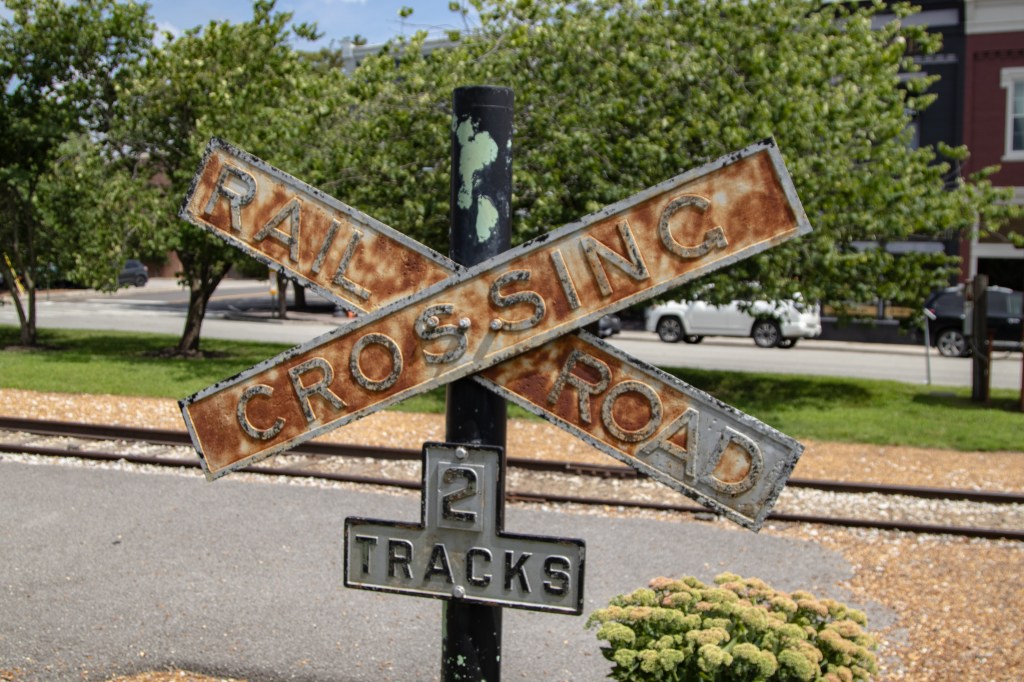
The Cookeville Old Train Depot is more than a piece of history—it’s a photographer’s dream. Its vintage charm, aged bricks, and old-world architecture make it a perfect backdrop for capturing timeless images. Whether you’re just starting out or a seasoned pro, this historic site offers endless opportunities to tell stories with your camera. To make the most of your visit, plan around lighting and angles, and don’t forget safety. Your best shot might be just around the corner, waiting for the right moment and perspective.

The Depot’s History and Significance
Built in the early 1900s, the Cookeville Old Train Depot played a vital role in Tennessee’s railway development. It was once the hub for passenger travel and freight, connecting Cookville to larger cities. The depot helped the town grow, attracting commerce, workers, and new residents. Today, this historic site preserves that legacy, giving visitors a glimpse into the past.

Preservation Efforts and Accessibility
The site has been carefully preserved, with ongoing restoration projects to keep its charm intact. Most areas are accessible to photographers, with open spaces and clear pathways. Be mindful of restrictions—some parts may be off-limits or require permission to photograph. Respect the site’s history, and you’ll capture images that honor its story.
Conclusion
The Cookeville Old Train Depot offers a rich tapestry of history and charm to capture through your lens. With the right timing, angles, and techniques, you’ll create images that not only look great but also tell stories of a bygone era. So plan your visit during golden hours, explore creative compositions, and respect this cherished site. Your photos can keep the memory alive long after you leave—timeless images that celebrate its legacy for generations to come.


Why Night Shots of Lebanon TN Square Look So Cool

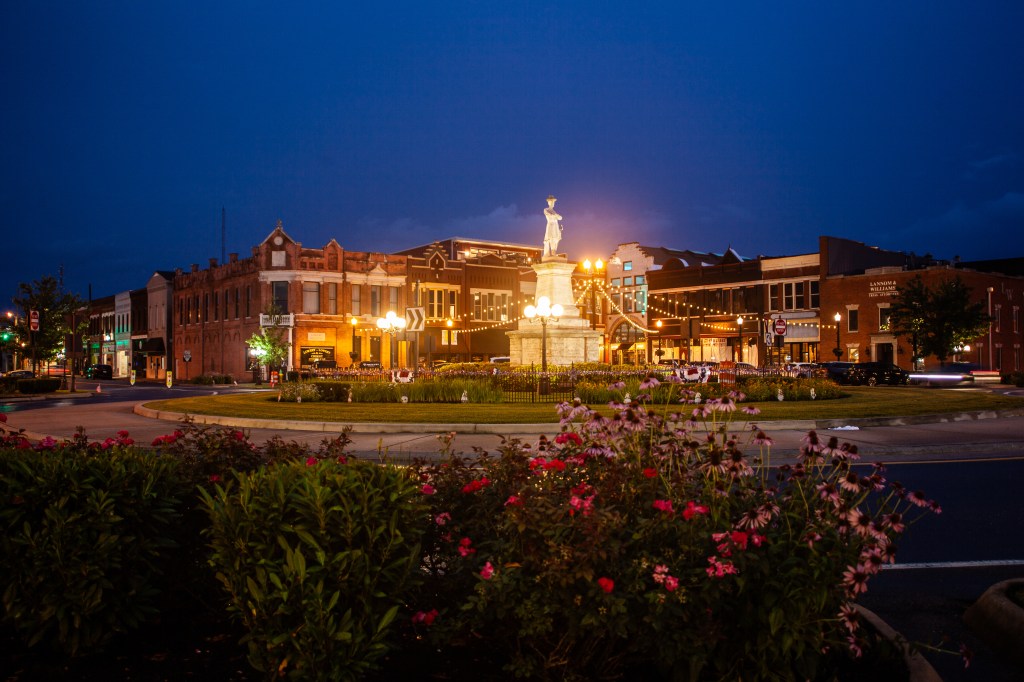
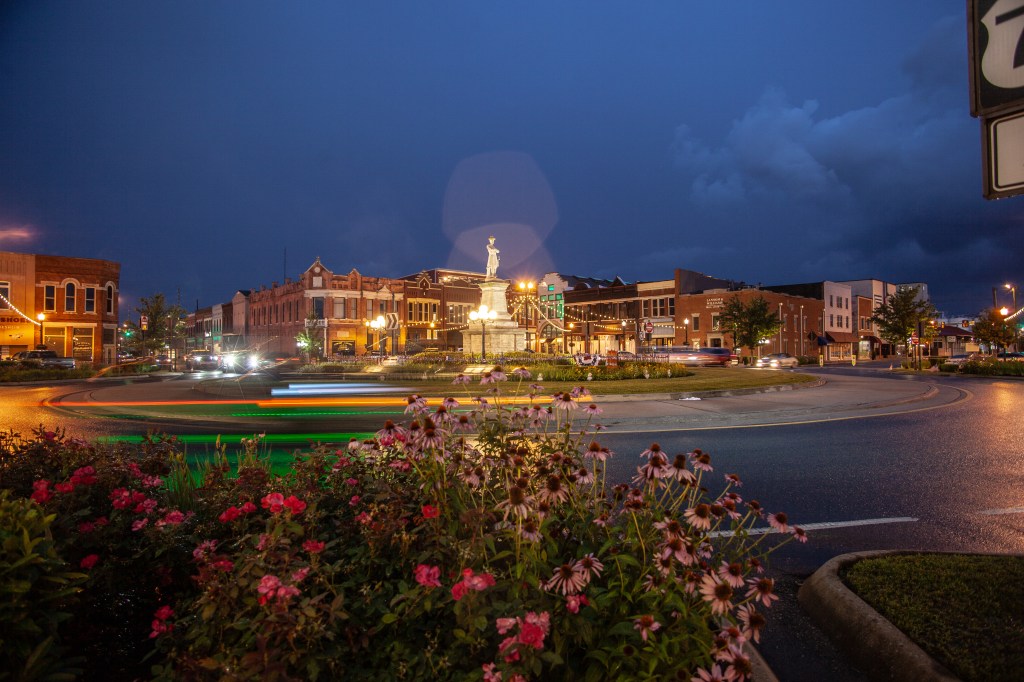
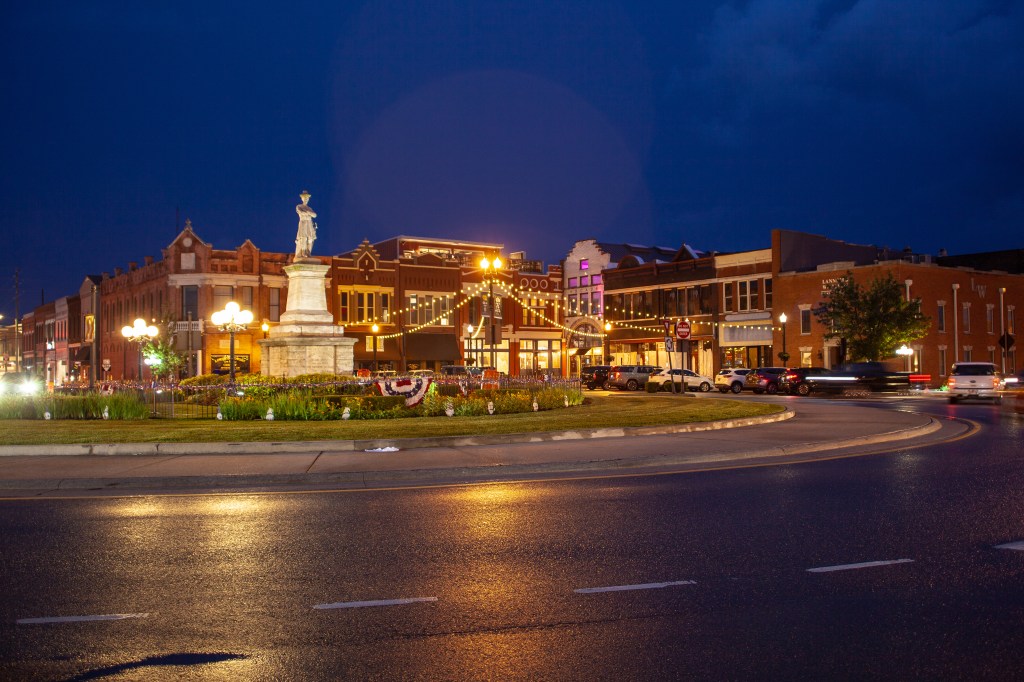
The square in Lebanon, TN, glowed under a quiet night sky. Streetlights cast warm pools of light on the cobblestone. A few benches sit empty, waiting for dawn. The old courthouse stands out, lit just enough to show its details. Shadows dance as a gentle breeze moves through the trees. The camera captured the scene with soft focus and clear information. It’s a peaceful moment, simple but full of calm. The night air feels cool against the silence. Little lights flicker from nearby shops, hinting at life inside. The photo shows how still the town is when everyone is asleep. It’s a small glimpse of quiet nightlife in Lebanon.


Capture the Charm: Walking Around Downtown Franklin TN with a Canon SL3

Explore Downtown Franklin TN through your camera lens. This historic town is a picture-perfect place no matter the season. Its friendly streets, charming shops, and beautiful architecture make it a dream for casual photographers. The Canon SL3 stands out as the perfect tool for capturing every moment, big or small, during your walk. Why? Because it’s simple to use and shoots stunning photos. Whether you’re new to photography or have some experience, the Canon SL3 helps you turn everyday scenes into memorable images.

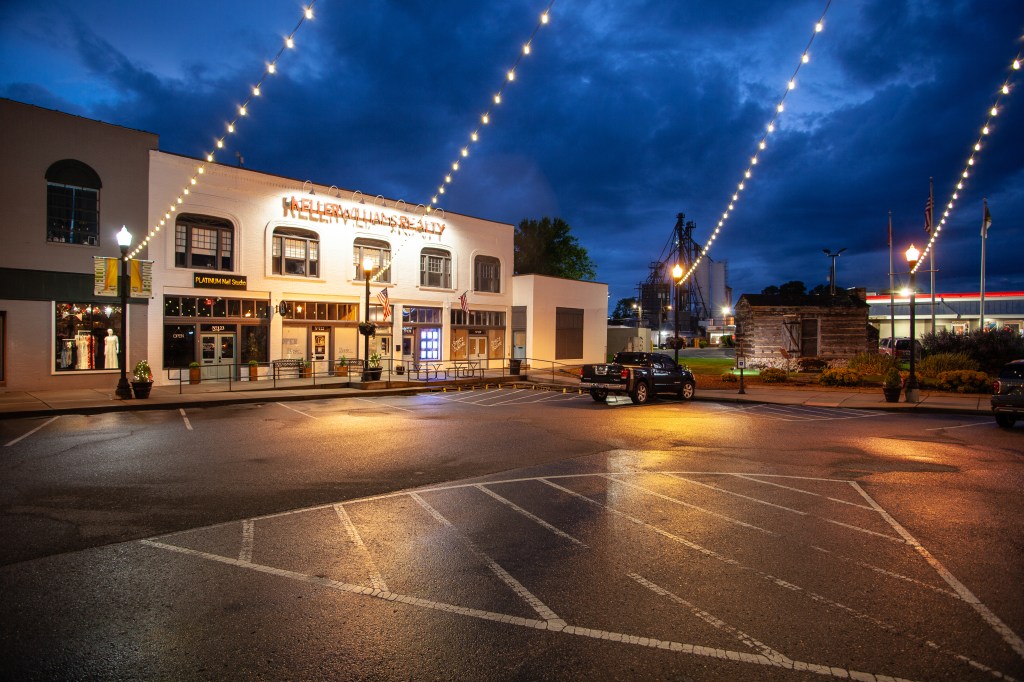
Main Street shines with quaint storefronts, vintage signs, and historic architecture. Frame these with the rule of thirds, and include people for lively scenes. Capture reflections in windowpanes or the textures of old bricks. Look for small details like porch swings or flower boxes that tell stories of local life.

Walking through Downtown Franklin TN is a unique experience—rich history, lively streets, and beautiful scenes await around every corner. Your Canon SL3 is the perfect companion to capture these moments simply and beautifully. By mastering its features and understanding the area’s best photo spots, you’re set to create a collection of memories that last. Get out, explore, and let your camera tell Franklin’s story through your eyes.

Capture Nature’s Beauty with the Sony A100 and 50mm f/1.7 Lens

Nature walks are more than just a way to enjoy fresh air—they’re perfect for capturing stunning photos. Photography not only sparks creativity but also boosts mental well-being. When you pair the Sony A100 DSLR with a 50mm f/1.7 lens, you get a powerful combo ideal for outdoor photography. This prime lens shines in sunny and cloudy conditions alike, giving you sharp, detailed images of landscapes, flowers, and wildlife. Let’s explore how to make your outdoor shots stand out with this equipment.

Mastering Composition and Focus with the 50mm f/1.7 Lens
Focal Length: The Power of 50mm for Nature Shots
A 50mm lens offers a natural perspective similar to what the human eye sees. It’s perfect for framing both wide landscapes and intimate details like a flower or insect. You can bring distant trees closer or isolate a tiny mushroom without distortion. Its versatility makes it a favorite for outdoor photographers.

Maximize Image Quality in Nature Photography
Control Depth of Field
At f/1.7, background blur (bokeh) is stunning, perfect to emphasize your subject. For landscapes:
- Use smaller apertures (f/8 or f/11) to keep everything sharp
- Try different apertures to see what best highlights your scene

Real-World Examples and Inspiring Shots
A photographer once captured a butterfly on a vibrant flower, using a wide aperture to blur the background beautifully. The image’s sharp focus on the butterfly’s wings made it feel like it was ready to fly off the screen. The key? The right lens at the right moment, paired with thoughtful composition. Skilled outdoor photographers often praise the Sony A100 for its reliability, combined with the 50mm f/1.7 for capturing fine details.

Conclusion
Exploring nature with your Sony A100 and 50mm f/1.7 lens unlocks endless creative possibilities. Prepare well, plan your timing, and master your camera’s settings. Focus on composition and practice patience. With these tips, every walk can become a chance to take stunning photos that tell the story of the outdoors. So grab your gear, hit the trails, and start capturing nature’s beauty today. Your best shot might be just around the next bend.

Walking Through Time at Fort Donelson Battlefield
Step back in time with us as we traverse the historic Fort Donelson Battlefield, a site that played a crucial role in the American Civil War. This video offers an in-depth look at the battlefield’s significance, the fierce fighting that occurred, and the lasting impact it had on the war’s outcome. As we walk through the preserved grounds, we will highlight key landmarks and share fascinating anecdotes about the soldiers who fought bravely for their causes. This journey will provide a unique perspective on a defining moment in American history, perfect for history buffs and casual viewers alike. Be sure to subscribe for more insightful content! #HistoryWalk #FortDonelson #civilwar
Taking Levi on his First Jeep Trip
Join us on an exciting adventure as we take Levi on his very first Jeep trip to the stunning Land Between the Lakes! In this video, we’ll navigate through beautiful forest roads, explore a hidden cemetery, and tackle the challenge of clearing a blocked trail. Watch as Levi experiences the thrill of off-roading and the beauty of nature. Don’t forget to like, subscribe, and hit the notification bell for more outdoor adventures! #JeepAdventure #OffRoading #NatureExploration
My First Photos with the Olympus E-PM1 Micro Four Thirds Camera: A Beginner’s Guide

Starting out with a mirrorless camera like the Olympus E-PM1 feels exciting. It’s small enough to carry everywhere but offers big picture quality. Whether you’re into city streets, nature, or family moments, this camera can do it all. Your first shots might not be perfect, but they will teach you what this little camera is capable of. Learning the camera’s features helps you take sharper, clearer photos that stand out.

Understanding the Olympus E-PM1 Micro Four Thirds Camera
Overview of the Olympus E-PM1
The Olympus E-PM1 is a tiny powerhouse made for beginners. Its compact size makes it perfect for travel, street photography, or everyday use. It packs a 12-megapixel sensor that captures sharp images even in tricky light. You can change lenses easily, thanks to its Micro Four Thirds mount, giving you many creative options. Launched in 2011, it’s considered a solid entry in Olympus’s mirrorless lineup.

Why Micro Four Thirds System Matters
The Micro Four Thirds system is smaller than traditional DSLR setups. That means your camera and lenses are lighter and easier to carry. It works with a wide range of Olympus and third-party lenses. While the sensor isn’t as large as full-frame cameras, it still delivers great image quality. This setup is perfect if you want a balance of portability and image detail.

Essential Accessories for Better Photos
A versatile kit lens, like the 14-42mm, is ideal for beginners. Consider a small tripod for steady shots or landscapes. Extra batteries keep you shooting longer, and SD cards with plenty of space mean you won’t run out of memory. Using a camera strap helps you hold the camera steady and avoid drops.

Conclusion
Getting started with the Olympus E-PM1 isn’t about taking perfect shots right away. It’s about practice, experimenting, and understanding your camera’s features. Start with simple scenes—flowers, your pet, or city streets—and review the results. Over time, you’ll see your skills improve. Keep exploring different genres, learn from your mistakes, and most importantly, enjoy the process. Your journey into photography begins with just a click.

 Mid Tn Outdoors