


You know Nashville’s Broadway for its blazing neon and loud music. It’s a hub of energy, a place where country dreams come alive. But what if we told you there’s more? Look beyond the flashing lights and the crowds. A deep history lives in the brick and stone buildings lining this famous street. This article peels back the layers. We’ll show you the hidden architectural story of Broadway, a tale far richer than any song. From old-world elegance to modern tweaks, the buildings themselves tell Nashville’s story.
Broadway’s look mixes old styles with new uses. This shows how Nashville grew from a river town to a music giant. Seeing these old structures helps you get why the street is so special. It also shows the big forces that shaped it. We’ll find the secrets inside the walls. These are stories of smart design choices and big events. All these things helped make Broadway an architectural star.
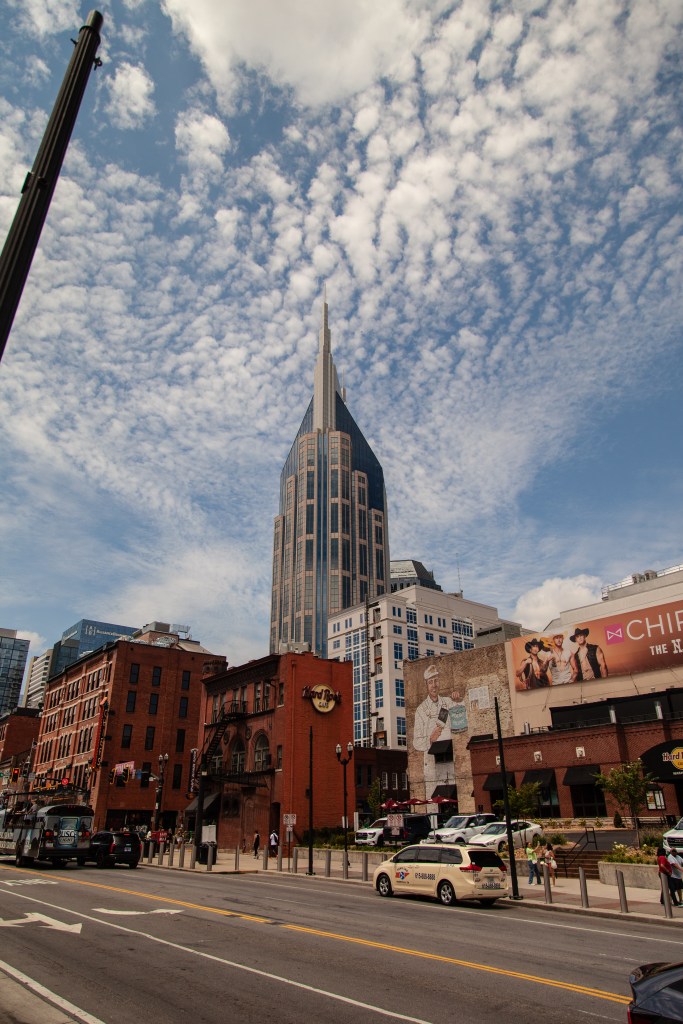
The Foundation: Early 20th-Century Commercial Grandeur
Broadway’s early days were all about business and showing off. Its first buildings were big and bold. They spoke to a time when Nashville was really taking off.
Beaux-Arts and Renaissance Revival Dominance
Imagine Broadway more than a hundred years ago. It looked very different. Grand buildings in Beaux-Arts and Renaissance Revival styles lined the street. These styles were popular for big banks, hotels, and fancy stores. They used classical touches like tall columns and fancy arches. You’d see grand facades, often made of light-colored limestone or dark brick. These details made buildings look solid and important. The old Maxwell House Hotel, though not on Broadway now, set a high standard for elegance nearby. The Hermitage Hotel, just steps away, also influenced this grand look. These buildings used heavy cornices and pediments above windows. They gave off a feeling of lasting power and wealth.

The Rise of the Department Store and Entertainment Venues
As Nashville grew, Broadway became the top spot for shopping and fun. Big department stores moved in. Their architecture had to serve these new roles. Think large storefronts and big display windows. Inside, they had open layouts, perfect for many shoppers. Early theaters and music halls also set up shop here. Their designs focused on drawing people in. Signage became part of the building itself. Large painted letters and early electric signs often decorated their fronts. These buildings were made for people to gather and enjoy themselves. Their design really helped shape Broadway as a center for city life.

Adapting to Change: Mid-Century Modernization and Preservation Efforts
Over the years, Broadway had to change. New styles came, and old buildings sometimes faced the wrecking ball. But many people saw the value in keeping the past alive.
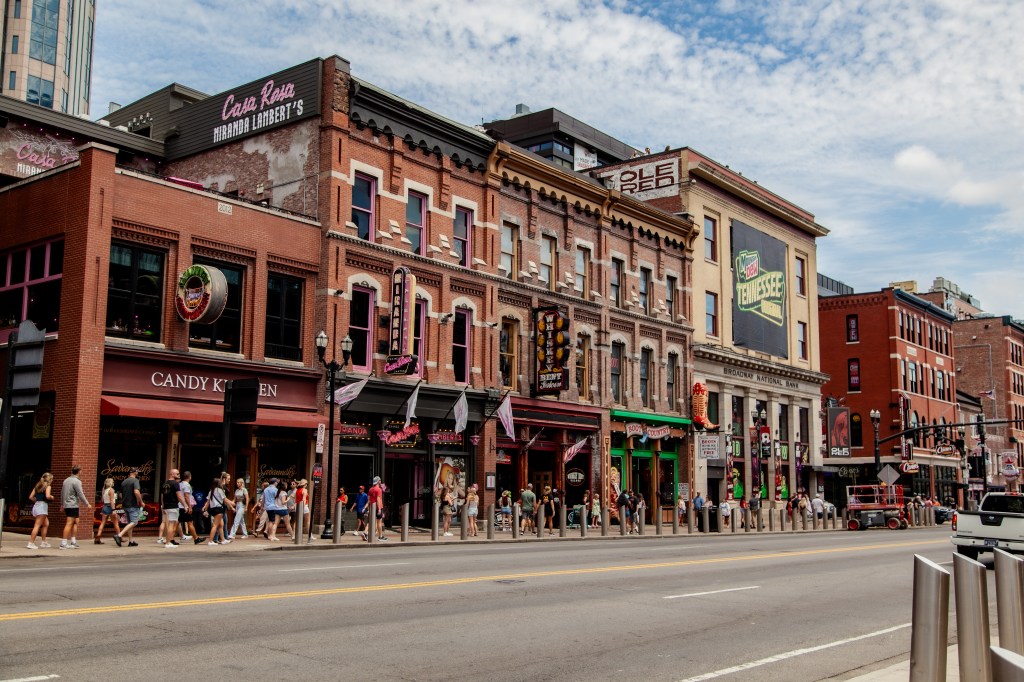
The Impact of Post-War Development
After World War II, America embraced new ideas. This included modern building styles. Broadway saw some changes, but not as many full demolitions as other city areas. Some older buildings had their fronts covered with new materials like metal panels or large glass sections. This was meant to give them a “newer” look. Sometimes, small, older structures were torn down for parking lots or simpler, boxy buildings. The fabric of the street started to shift. These changes often simplified the ornate details of earlier designs. They reflected a national push for efficiency and modern appeal.
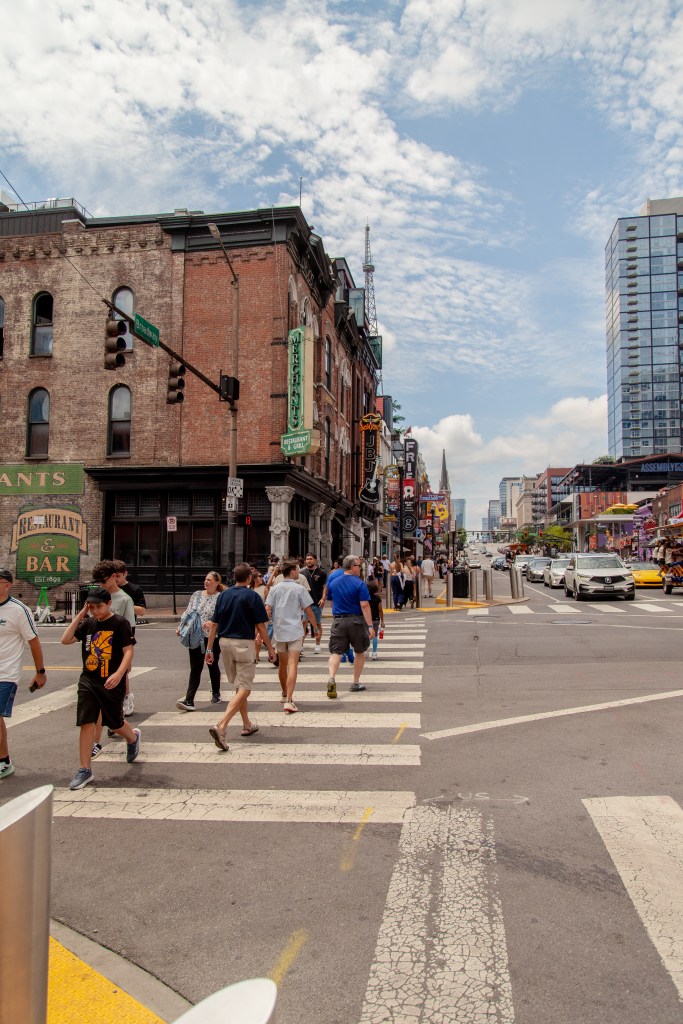
Early Preservation Movements and Historic Districts
Luckily, people soon realized Broadway’s old buildings were treasures. They started movements to save them. Local groups and city leaders began to work together. They aimed to protect the street’s rich history. “These buildings are more than just brick and mortar,” says local historian Sarah Jenkins. “They hold the echoes of Nashville’s past, from river trade to the first country music notes. Saving them means saving our soul.” These efforts led to parts of Broadway getting special historic protection. This helped stop more old buildings from being lost. It made people think about how new growth could still honor the old ways.

The Honky-Tonk Transformation: Architectural Signatures of the Music Scene
The sound of country music reshaped Broadway. The honky-tonk culture gave the street its famous look. Buildings changed to fit the music scene.

Facade Adaptations and Signage Evolution
When the music took over, buildings on Broadway began to transform. Many old storefronts turned into music venues. Their original facades often got new skin. This meant bright paint, big murals, and lots of neon. Think of Tootsie’s Orchid Lounge. Its purple color and classic sign are known worldwide. Neon signs became the street’s true art. They didn’t just show a name. They screamed fun. You’d see a lot of painted lettering and light-up signs. These signs became a core part of Broadway’s look. They are still a huge part of its visual language today.

Interior Adaptations for Live Performance
Inside, the changes were even bigger. Old retail spaces had to become stages for bands. Walls were often moved or taken out. This made room for stages, dance floors, and bars. Sound systems needed space. Lighting rigs hung from the ceilings. Old floor plans were totally repurposed. Support beams might have been added to hold new weight. Air conditioning and better wiring became must-haves. These old structures were given new life. They went from quiet shops to loud, lively music spots. It shows how strong and adaptable these old buildings really are.
The “New” Broadway: Contemporary Additions and Architectural Narratives
Broadway keeps growing. Newer buildings and big updates now stand next to the old ones. They blend modern design with the street’s long history.

Modern Entertainment Complexes and Adaptive Reuse Projects
Look around Broadway now. You’ll see new complexes standing tall. They mix sleek, modern looks with respect for the past. A great example is the Fifth + Broadway development. It sits right across from the historic Ryman Auditorium. This project blends retail, food, and music venues. It uses new materials like glass and steel. But it also respects the scale and feel of the older buildings nearby. These projects show smart adaptive reuse. They give old spaces new life. They make the street better for today’s visitors.

Maintaining Character While Embracing Growth
Broadway faces a big challenge: how to grow without losing its soul. City planners and builders work to find a balance. They want new buildings to fit in. They try to keep the historic streetscape intact. This often means new designs must follow certain rules. They might need to use materials or colors that match the old buildings. When you walk down Broadway, take a moment. Look up at the old details. Then look at how new buildings fit in. Can you see the mix of old and new? It’s a constant dance between keeping history and moving forward.

Conclusion: The Enduring Architectural Legacy of Broadway
Broadway is much more than a street for music lovers. It’s a living museum of architecture. From its grand early 20th-century looks to its bright honky-tonk facades, the street has changed. It shows how Nashville itself grew and changed. Its buildings tell stories of old shops, fancy hotels, and the birth of country music.
The unique blend of old styles and new uses gives Broadway its special charm. Its appeal comes from these strong, beautiful buildings. They connect us to Nashville’s past. They show how the city became a cultural hotspot. The next time you visit, try to look beyond the immediate fun. Take a moment to see the thoughtful design and tough structures all around you. These buildings are what make Broadway a true American icon.
 Mid Tn Outdoors