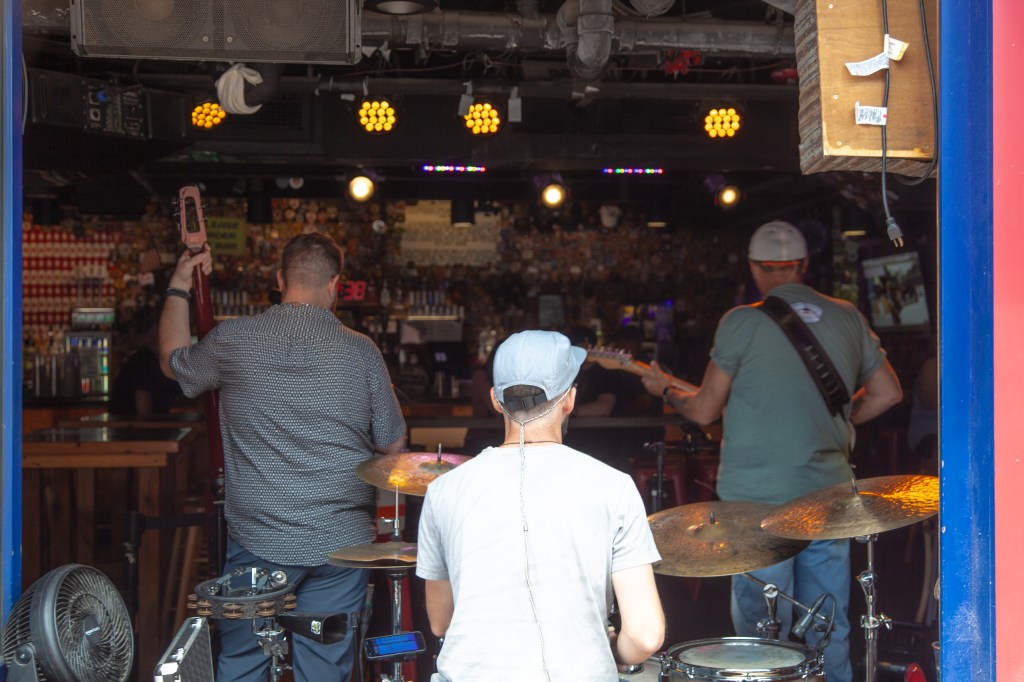
Nashville’s music scene is buzzing with new talent. Singer-songwriters are crafting honest lyrics. Rock bands are bringing raw energy to stages. Country artists are blending tradition with fresh sounds. These artists are playing every venue they can find. They’re building fan bases one show at a time. Get ready to hear these names everywhere soon.
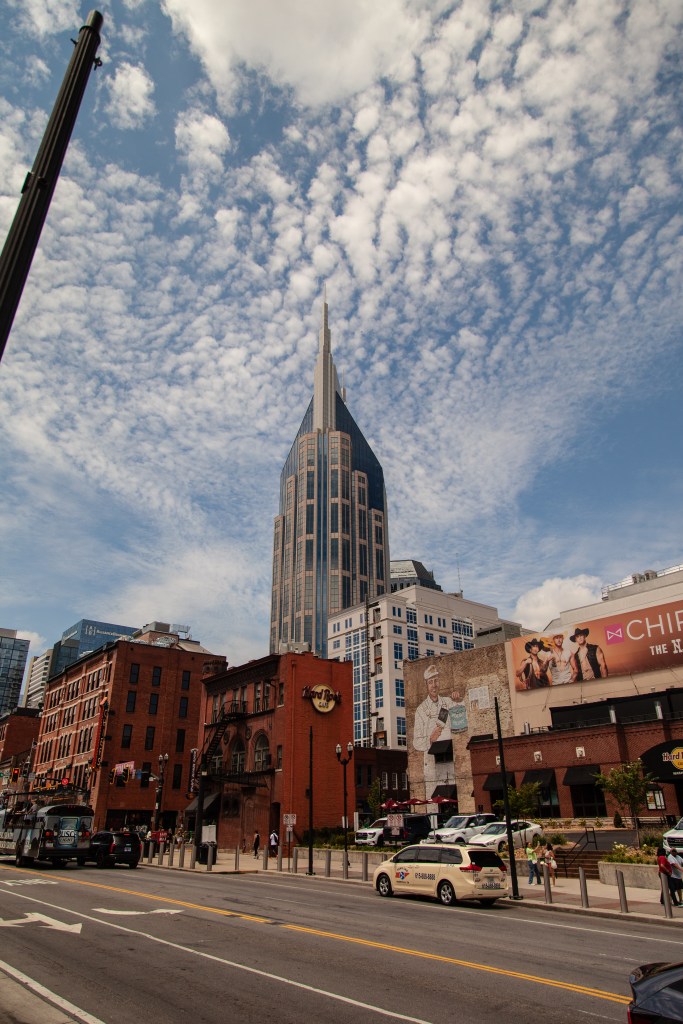
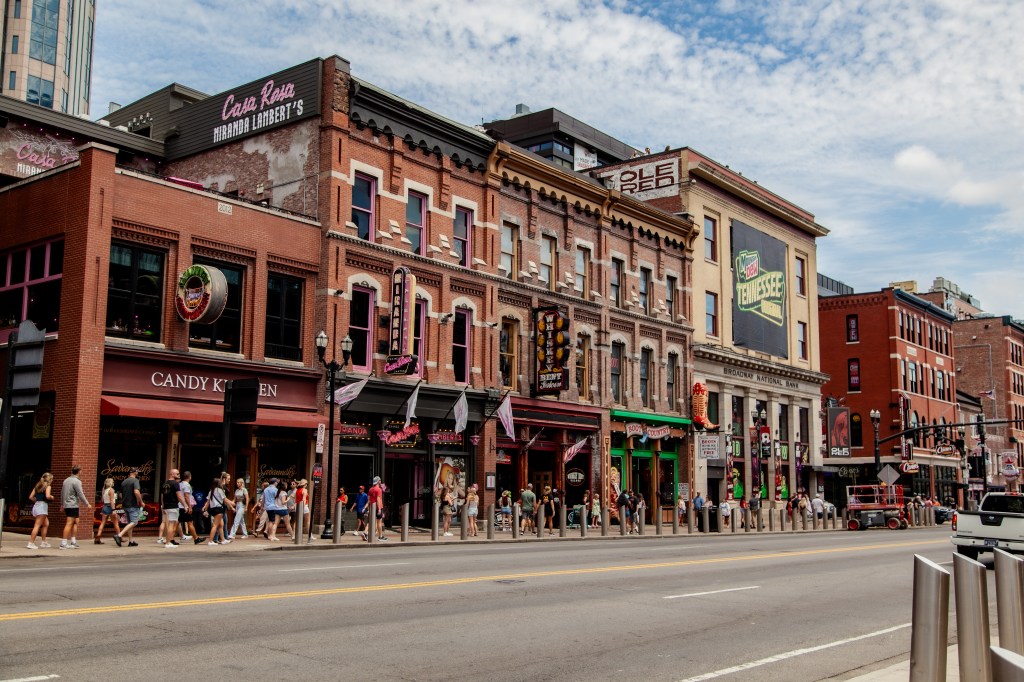
You know Nashville’s Broadway for its blazing neon and loud music. It’s a hub of energy, a place where country dreams come alive. But what if we told you there’s more? Look beyond the flashing lights and the crowds. A deep history lives in the brick and stone buildings lining this famous street. This article peels back the layers. We’ll show you the hidden architectural story of Broadway, a tale far richer than any song. From old-world elegance to modern tweaks, the buildings themselves tell Nashville’s story.
Broadway’s look mixes old styles with new uses. This shows how Nashville grew from a river town to a music giant. Seeing these old structures helps you get why the street is so special. It also shows the big forces that shaped it. We’ll find the secrets inside the walls. These are stories of smart design choices and big events. All these things helped make Broadway an architectural star.
The Foundation: Early 20th-Century Commercial Grandeur
Broadway’s early days were all about business and showing off. Its first buildings were big and bold. They spoke to a time when Nashville was really taking off.
Beaux-Arts and Renaissance Revival Dominance
Imagine Broadway more than a hundred years ago. It looked very different. Grand buildings in Beaux-Arts and Renaissance Revival styles lined the street. These styles were popular for big banks, hotels, and fancy stores. They used classical touches like tall columns and fancy arches. You’d see grand facades, often made of light-colored limestone or dark brick. These details made buildings look solid and important. The old Maxwell House Hotel, though not on Broadway now, set a high standard for elegance nearby. The Hermitage Hotel, just steps away, also influenced this grand look. These buildings used heavy cornices and pediments above windows. They gave off a feeling of lasting power and wealth.
The Rise of the Department Store and Entertainment Venues
As Nashville grew, Broadway became the top spot for shopping and fun. Big department stores moved in. Their architecture had to serve these new roles. Think large storefronts and big display windows. Inside, they had open layouts, perfect for many shoppers. Early theaters and music halls also set up shop here. Their designs focused on drawing people in. Signage became part of the building itself. Large painted letters and early electric signs often decorated their fronts. These buildings were made for people to gather and enjoy themselves. Their design really helped shape Broadway as a center for city life.
Adapting to Change: Mid-Century Modernization and Preservation Efforts
Over the years, Broadway had to change. New styles came, and old buildings sometimes faced the wrecking ball. But many people saw the value in keeping the past alive.
The Impact of Post-War Development
After World War II, America embraced new ideas. This included modern building styles. Broadway saw some changes, but not as many full demolitions as other city areas. Some older buildings had their fronts covered with new materials like metal panels or large glass sections. This was meant to give them a “newer” look. Sometimes, small, older structures were torn down for parking lots or simpler, boxy buildings. The fabric of the street started to shift. These changes often simplified the ornate details of earlier designs. They reflected a national push for efficiency and modern appeal.
Early Preservation Movements and Historic Districts
Luckily, people soon realized Broadway’s old buildings were treasures. They started movements to save them. Local groups and city leaders began to work together. They aimed to protect the street’s rich history. “These buildings are more than just brick and mortar,” says local historian Sarah Jenkins. “They hold the echoes of Nashville’s past, from river trade to the first country music notes. Saving them means saving our soul.” These efforts led to parts of Broadway getting special historic protection. This helped stop more old buildings from being lost. It made people think about how new growth could still honor the old ways.
The Honky-Tonk Transformation: Architectural Signatures of the Music Scene
The sound of country music reshaped Broadway. The honky-tonk culture gave the street its famous look. Buildings changed to fit the music scene.
Facade Adaptations and Signage Evolution
When the music took over, buildings on Broadway began to transform. Many old storefronts turned into music venues. Their original facades often got new skin. This meant bright paint, big murals, and lots of neon. Think of Tootsie’s Orchid Lounge. Its purple color and classic sign are known worldwide. Neon signs became the street’s true art. They didn’t just show a name. They screamed fun. You’d see a lot of painted lettering and light-up signs. These signs became a core part of Broadway’s look. They are still a huge part of its visual language today.
Interior Adaptations for Live Performance
Inside, the changes were even bigger. Old retail spaces had to become stages for bands. Walls were often moved or taken out. This made room for stages, dance floors, and bars. Sound systems needed space. Lighting rigs hung from the ceilings. Old floor plans were totally repurposed. Support beams might have been added to hold new weight. Air conditioning and better wiring became must-haves. These old structures were given new life. They went from quiet shops to loud, lively music spots. It shows how strong and adaptable these old buildings really are.
The “New” Broadway: Contemporary Additions and Architectural Narratives
Broadway keeps growing. Newer buildings and big updates now stand next to the old ones. They blend modern design with the street’s long history.
Modern Entertainment Complexes and Adaptive Reuse Projects
Look around Broadway now. You’ll see new complexes standing tall. They mix sleek, modern looks with respect for the past. A great example is the Fifth + Broadway development. It sits right across from the historic Ryman Auditorium. This project blends retail, food, and music venues. It uses new materials like glass and steel. But it also respects the scale and feel of the older buildings nearby. These projects show smart adaptive reuse. They give old spaces new life. They make the street better for today’s visitors.
Maintaining Character While Embracing Growth
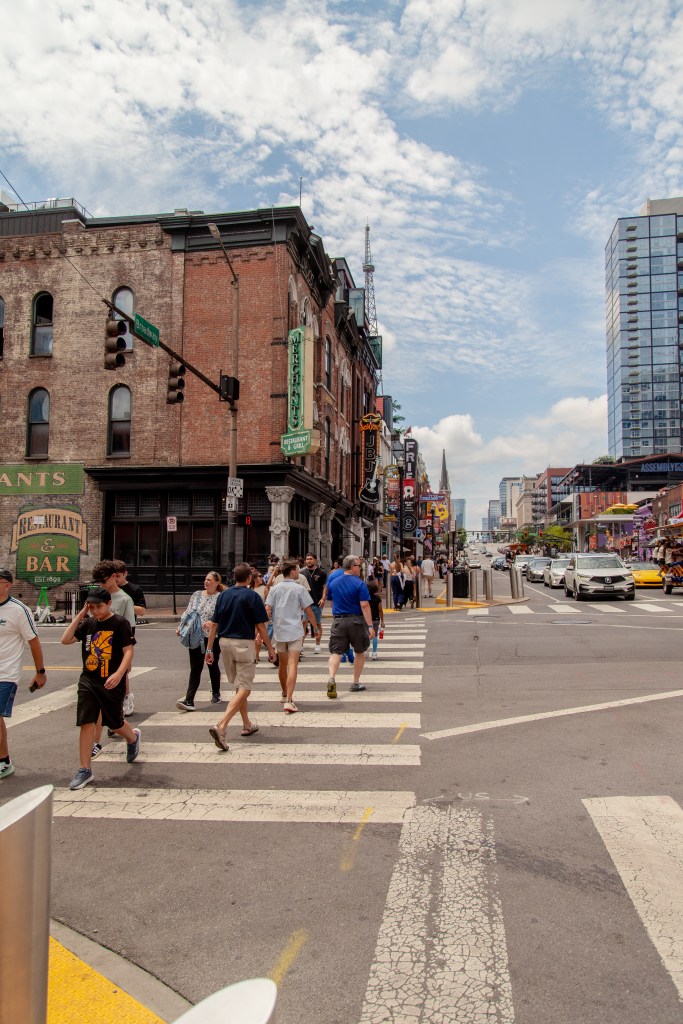
Broadway faces a big challenge: how to grow without losing its soul. City planners and builders work to find a balance. They want new buildings to fit in. They try to keep the historic streetscape intact. This often means new designs must follow certain rules. They might need to use materials or colors that match the old buildings. When you walk down Broadway, take a moment. Look up at the old details. Then look at how new buildings fit in. Can you see the mix of old and new? It’s a constant dance between keeping history and moving forward.
Conclusion: The Enduring Architectural Legacy of Broadway
Broadway is much more than a street for music lovers. It’s a living museum of architecture. From its grand early 20th-century looks to its bright honky-tonk facades, the street has changed. It shows how Nashville itself grew and changed. Its buildings tell stories of old shops, fancy hotels, and the birth of country music.
The unique blend of old styles and new uses gives Broadway its special charm. Its appeal comes from these strong, beautiful buildings. They connect us to Nashville’s past. They show how the city became a cultural hotspot. The next time you visit, try to look beyond the immediate fun. Take a moment to see the thoughtful design and tough structures all around you. These buildings are what make Broadway a true American icon.
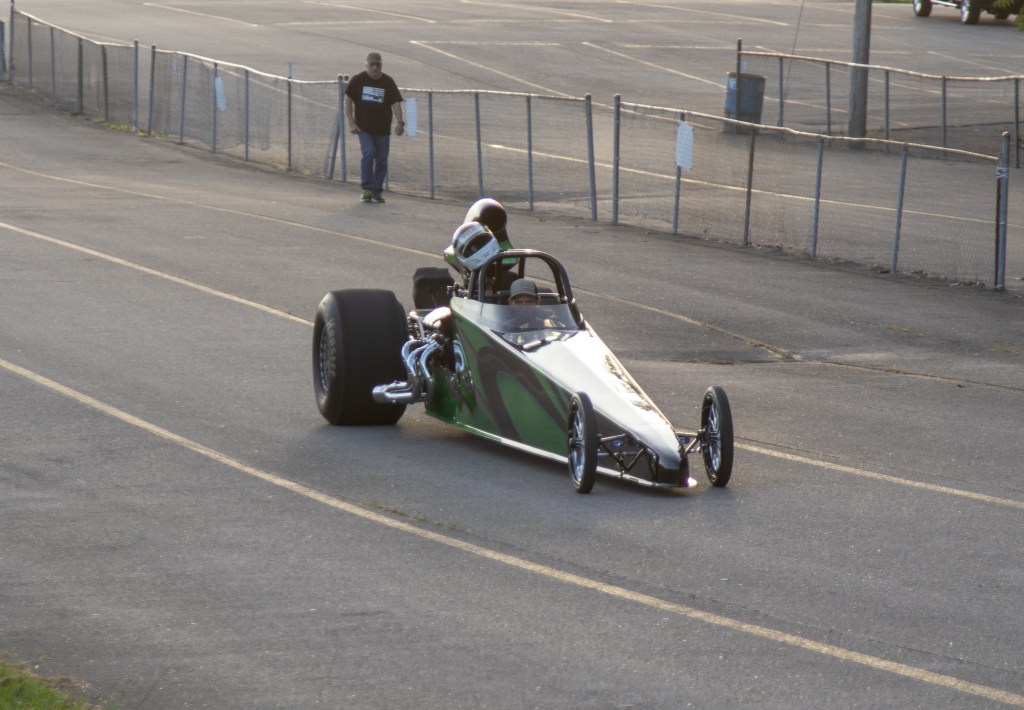
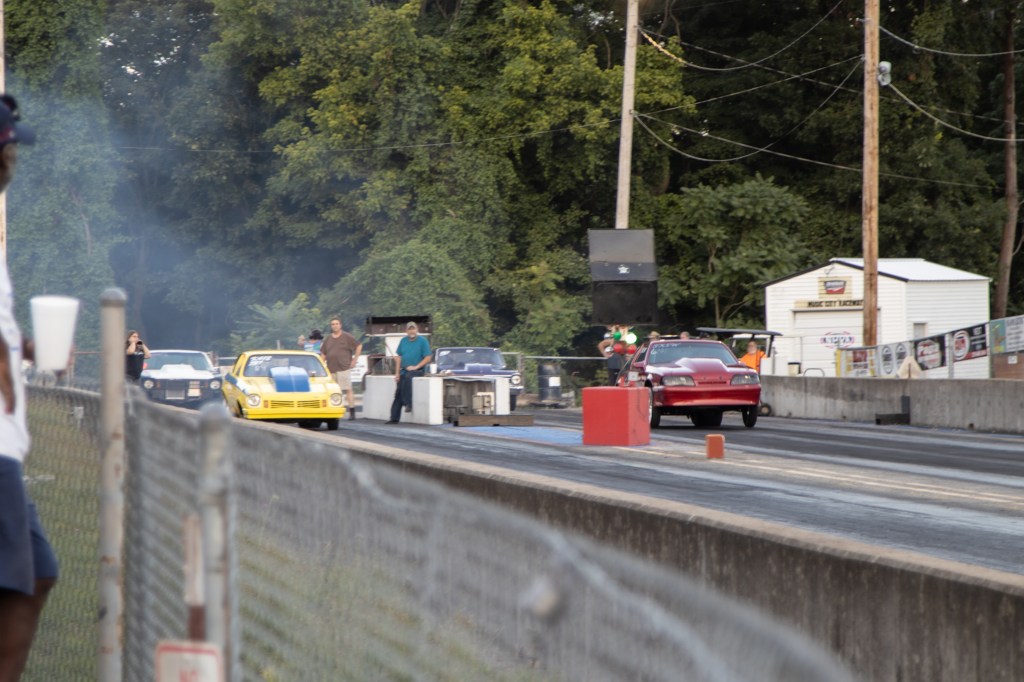
Starting in 1958 as a 1/4 mile dirt track has been shortened to a 1/8 mile drag strip in Goodlettsville, Tn, sitting on top of a hill as it has always been known as “the Hill”. I have been coming here for over the last 40 some odd years. The track has had many names over the years, starting with Union Hill International Dragway.
Funny thing is seeing some of the names there that have been racing there for generations. This track has it own kind of charm. Nothing has really changed since I have been coming up here.
Tracks like this are getting hard to find; some are either closing because of money, or just time itself killing them one by one. How is the health of this track? Well sounds shaky at best, talking to some of the drivers last night.
I hope it doesn’t meet the same demise as others around the country have, and some way and how, there is a spark that brings more butts back in the stands and cars in the pits. After all, if you’re a motorsports nut like me, you find yourself drawn to a loud engine and tires smoking.
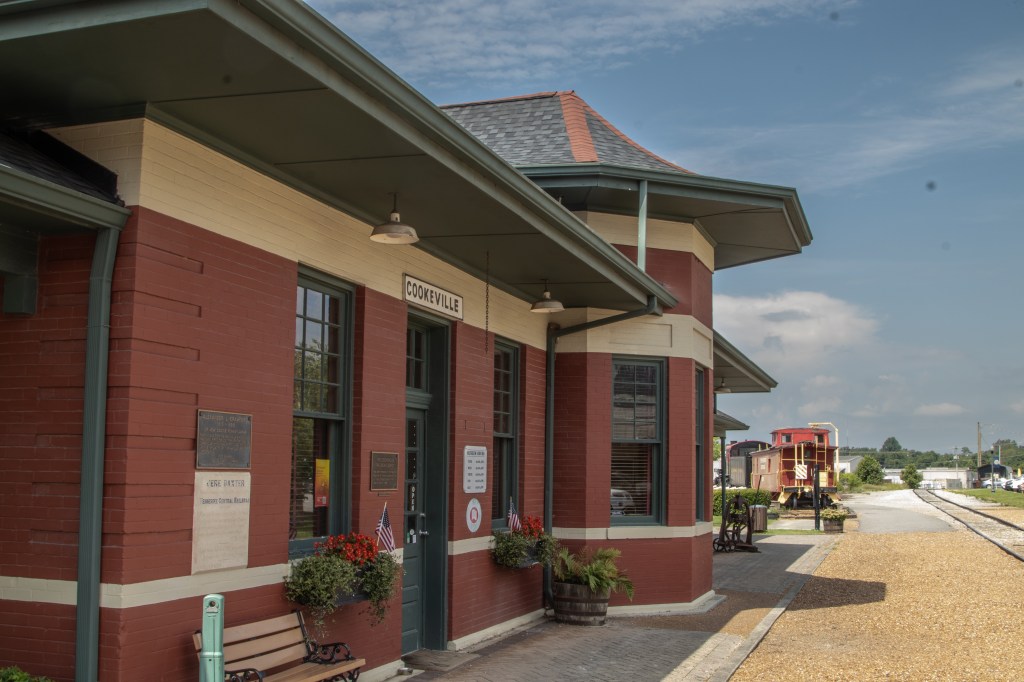
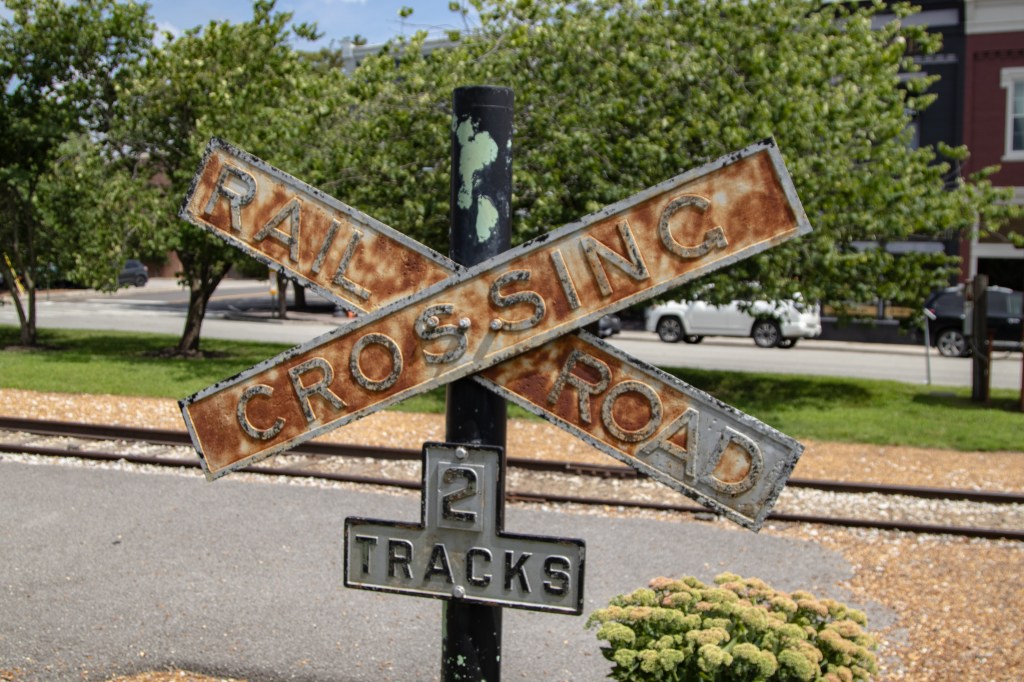
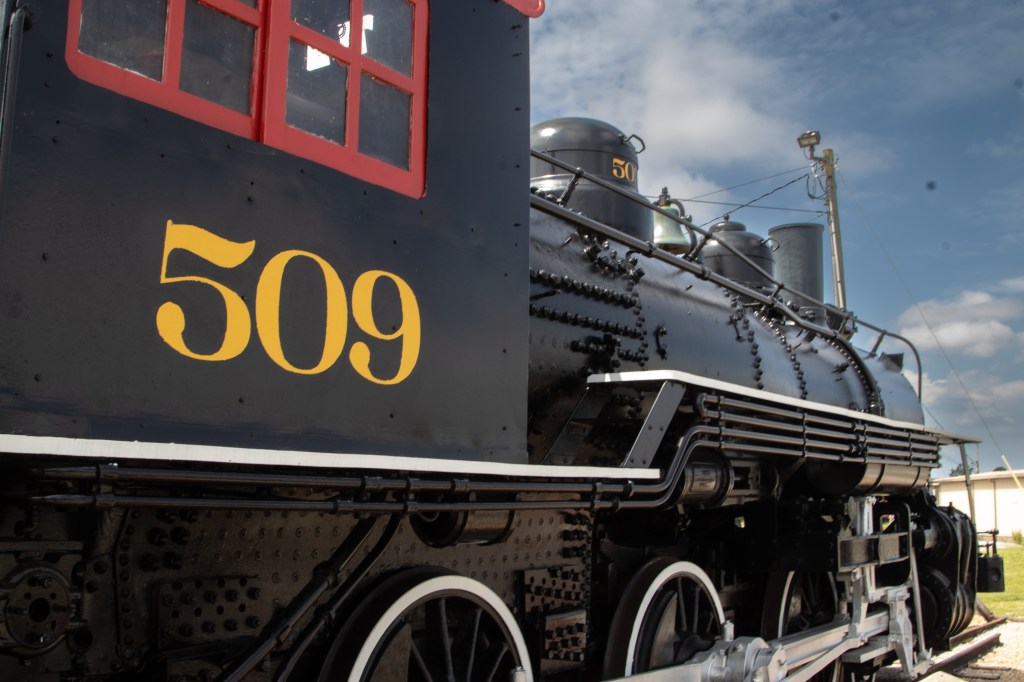
The Cookeville Old Train Depot is more than a piece of history—it’s a photographer’s dream. Its vintage charm, aged bricks, and old-world architecture make it a perfect backdrop for capturing timeless images. Whether you’re just starting out or a seasoned pro, this historic site offers endless opportunities to tell stories with your camera. To make the most of your visit, plan around lighting and angles, and don’t forget safety. Your best shot might be just around the corner, waiting for the right moment and perspective.
The Depot’s History and Significance
Built in the early 1900s, the Cookeville Old Train Depot played a vital role in Tennessee’s railway development. It was once the hub for passenger travel and freight, connecting Cookville to larger cities. The depot helped the town grow, attracting commerce, workers, and new residents. Today, this historic site preserves that legacy, giving visitors a glimpse into the past.
Preservation Efforts and Accessibility
The site has been carefully preserved, with ongoing restoration projects to keep its charm intact. Most areas are accessible to photographers, with open spaces and clear pathways. Be mindful of restrictions—some parts may be off-limits or require permission to photograph. Respect the site’s history, and you’ll capture images that honor its story.
Conclusion
The Cookeville Old Train Depot offers a rich tapestry of history and charm to capture through your lens. With the right timing, angles, and techniques, you’ll create images that not only look great but also tell stories of a bygone era. So plan your visit during golden hours, explore creative compositions, and respect this cherished site. Your photos can keep the memory alive long after you leave—timeless images that celebrate its legacy for generations to come.
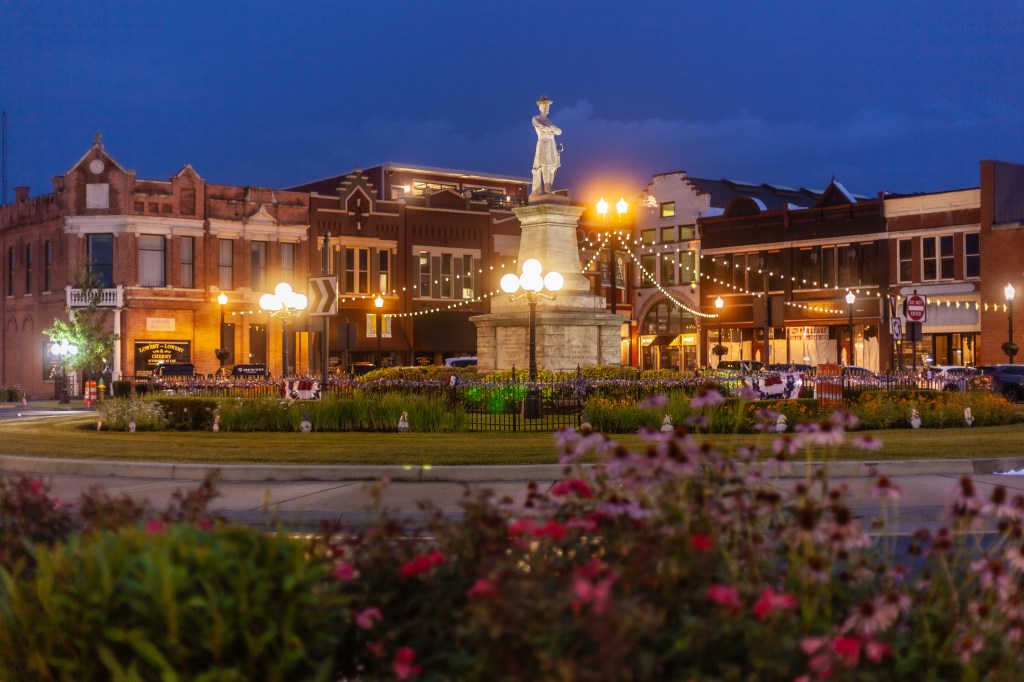
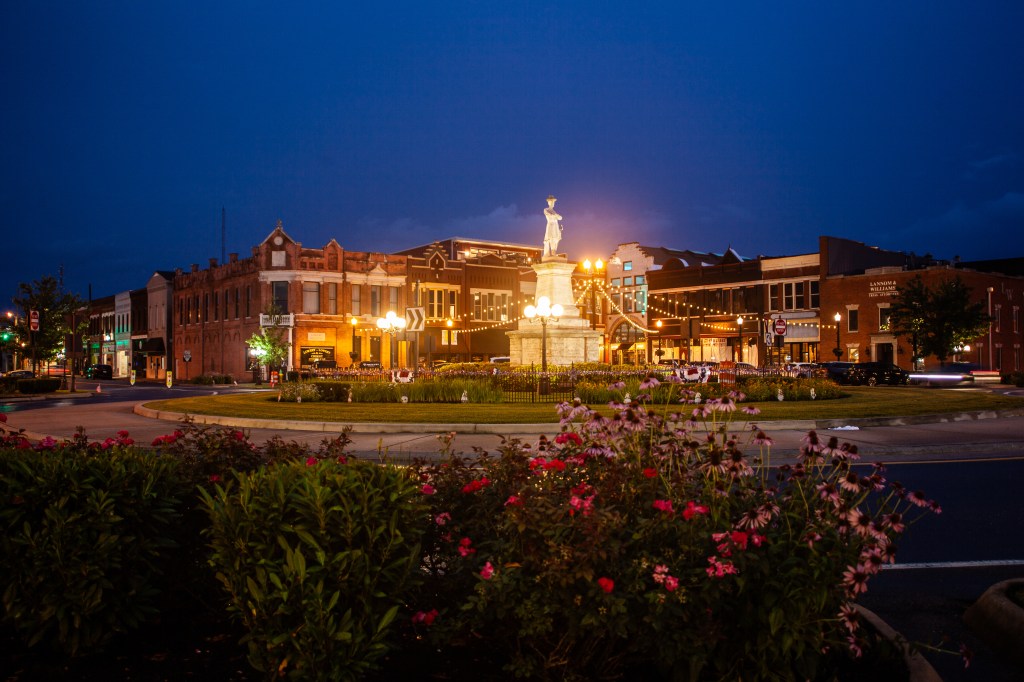
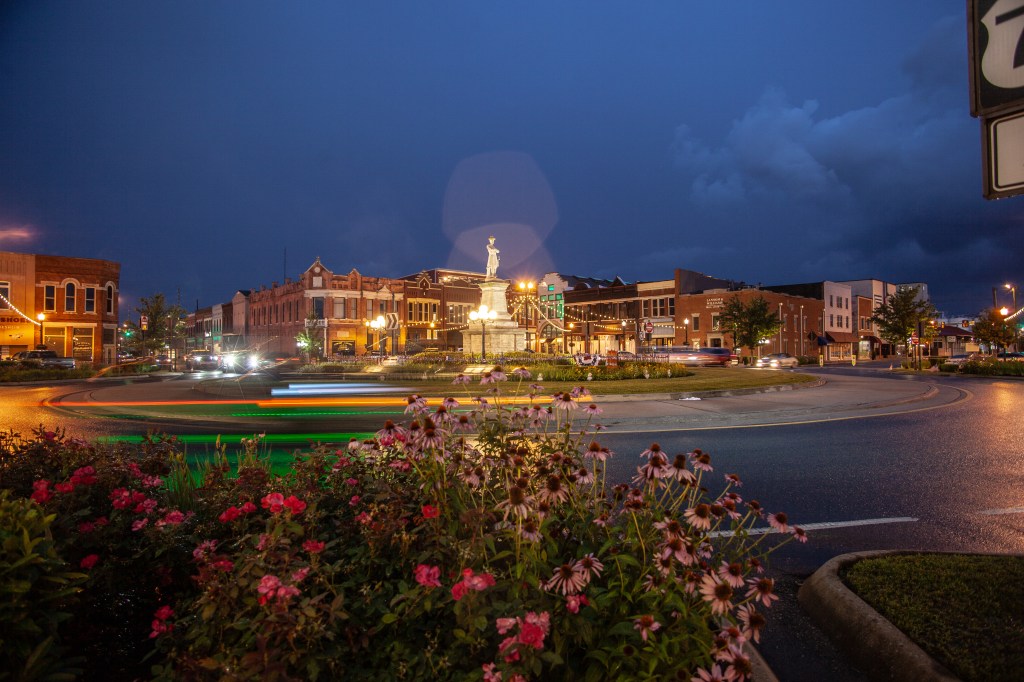
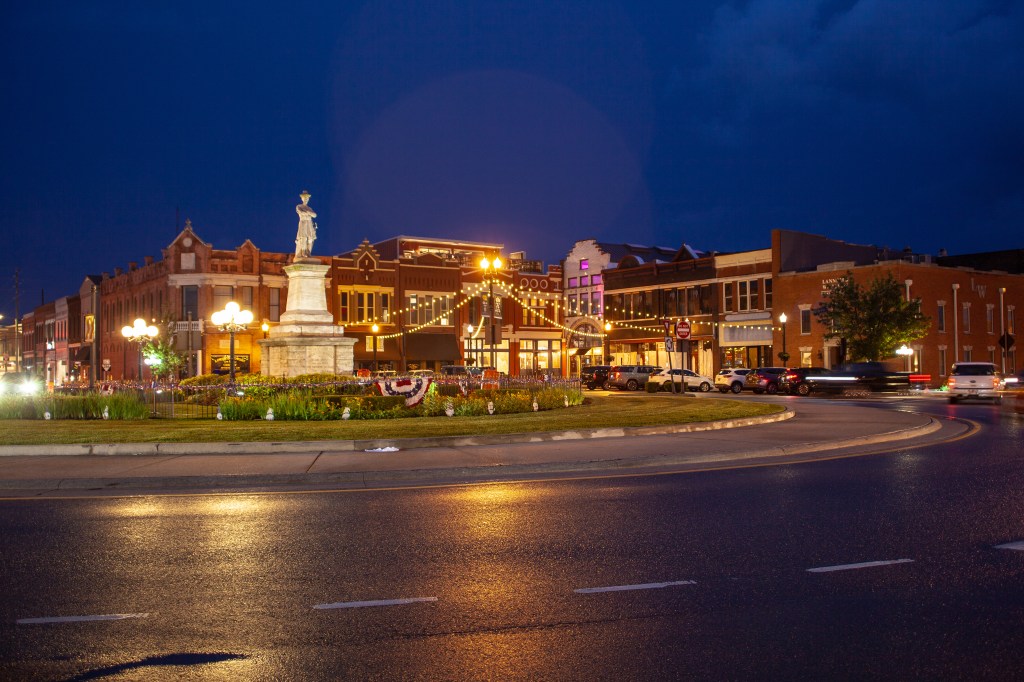
The square in Lebanon, TN, glowed under a quiet night sky. Streetlights cast warm pools of light on the cobblestone. A few benches sit empty, waiting for dawn. The old courthouse stands out, lit just enough to show its details. Shadows dance as a gentle breeze moves through the trees. The camera captured the scene with soft focus and clear information. It’s a peaceful moment, simple but full of calm. The night air feels cool against the silence. Little lights flicker from nearby shops, hinting at life inside. The photo shows how still the town is when everyone is asleep. It’s a small glimpse of quiet nightlife in Lebanon.
Explore Downtown Franklin TN through your camera lens. This historic town is a picture-perfect place no matter the season. Its friendly streets, charming shops, and beautiful architecture make it a dream for casual photographers. The Canon SL3 stands out as the perfect tool for capturing every moment, big or small, during your walk. Why? Because it’s simple to use and shoots stunning photos. Whether you’re new to photography or have some experience, the Canon SL3 helps you turn everyday scenes into memorable images.
Main Street shines with quaint storefronts, vintage signs, and historic architecture. Frame these with the rule of thirds, and include people for lively scenes. Capture reflections in windowpanes or the textures of old bricks. Look for small details like porch swings or flower boxes that tell stories of local life.
Walking through Downtown Franklin TN is a unique experience—rich history, lively streets, and beautiful scenes await around every corner. Your Canon SL3 is the perfect companion to capture these moments simply and beautifully. By mastering its features and understanding the area’s best photo spots, you’re set to create a collection of memories that last. Get out, explore, and let your camera tell Franklin’s story through your eyes.
Nature walks are more than just a way to enjoy fresh air—they’re perfect for capturing stunning photos. Photography not only sparks creativity but also boosts mental well-being. When you pair the Sony A100 DSLR with a 50mm f/1.7 lens, you get a powerful combo ideal for outdoor photography. This prime lens shines in sunny and cloudy conditions alike, giving you sharp, detailed images of landscapes, flowers, and wildlife. Let’s explore how to make your outdoor shots stand out with this equipment.
SONY DSC
Mastering Composition and Focus with the 50mm f/1.7 Lens
Focal Length: The Power of 50mm for Nature Shots
A 50mm lens offers a natural perspective similar to what the human eye sees. It’s perfect for framing both wide landscapes and intimate details like a flower or insect. You can bring distant trees closer or isolate a tiny mushroom without distortion. Its versatility makes it a favorite for outdoor photographers.
SONY DSC
Maximize Image Quality in Nature Photography
Control Depth of Field
At f/1.7, background blur (bokeh) is stunning, perfect to emphasize your subject. For landscapes:
Use smaller apertures (f/8 or f/11) to keep everything sharp
Try different apertures to see what best highlights your scene
SONY DSC
Real-World Examples and Inspiring Shots
A photographer once captured a butterfly on a vibrant flower, using a wide aperture to blur the background beautifully. The image’s sharp focus on the butterfly’s wings made it feel like it was ready to fly off the screen. The key? The right lens at the right moment, paired with thoughtful composition. Skilled outdoor photographers often praise the Sony A100 for its reliability, combined with the 50mm f/1.7 for capturing fine details.
SONY DSC
Conclusion
Exploring nature with your Sony A100 and 50mm f/1.7 lens unlocks endless creative possibilities. Prepare well, plan your timing, and master your camera’s settings. Focus on composition and practice patience. With these tips, every walk can become a chance to take stunning photos that tell the story of the outdoors. So grab your gear, hit the trails, and start capturing nature’s beauty today. Your best shot might be just around the next bend.
Join me on an exciting hiking adventure as I explore the great outdoors with my Olympus PEN E-PM1! In this video, I’ll share tips on capturing stunning landscape shots, the best settings for nature photography, and how to make the most of this compact camera while on the trail. Whether you’re a seasoned hiker or just starting out, you’ll find valuable insights to enhance your photography skills. Don’t forget to like, subscribe, and hit the notification bell for more outdoor adventures! #HikingPhotography #OlympusPEN #NatureLovers
Join me as I capture the essence of Memorial Day through my lens! In this video, I’ll take you on a visual journey, showcasing the heartfelt tributes, parades, and moments of reflection that make this day so special. From honoring our heroes to celebrating with family and friends, I’ll share my personal experiences and thoughts on what Memorial Day means to me. Don’t forget to like, comment, and subscribe for more content! #MemorialDay #ThroughMyLens #honoringheroes
























 Mid Tn Outdoors